

So, what is the “gayest” city in America? There isn't one definitive answer. Key West is famously known as the “gay capital of the USA” thanks to its long LGBTQ+ history and highly visible community. But population data tells a slightly different story. Research from the Williams Institute found that the New York metropolitan area had the largest estimated LGBTQ+ adult population among the 55 largest U.S. metro areas, while San Francisco had the highest percentage. Because these figures measure metropolitan areas rather than individual cities, they shouldn't be treated as a simple ranking of the country's “gayest” cities.
For someone considering a move, though, the size of an LGBTQ+ population is only part of the picture. A city or neighborhood may stand out for its community organizations, LGBTQ+-owned businesses and local protections, while another might offer more affordable housing, better access to healthcare or a lifestyle that suits you better.
That's why this guide doesn't attempt to name a definitive number one. Instead, it explores 16 U.S. cities, towns and neighborhoods with established LGBTQ+ communities, looking at the practical factors that can help homebuyers decide which type of location could be right for them.
Relocating to a new city is exciting, but for LGBTQ+ homebuyers, finding a community where you can feel truly welcomed is essential. Whether you’re moving for work, love, or lifestyle, this list will inspire your next chapter.
What is considered the gayest city in America?
If you search for the “gayest city in America,” Key West, Florida, is likely to come up. The city has a long-standing LGBTQ+ identity and is often referred to as the “gay capital of the USA.” Key West’s own city government highlights its LGBTQ+ history, including the Key West Business Guild’s work promoting the island as an LGBTQ+ destination since the late 1970s.
But “gayest” isn’t an official title, and there’s no single dataset that can definitively identify one city as the most LGBTQ+. Population data, for example, can tell a very different story depending on whether you’re looking at the total number of LGBTQ+ residents or the share of the local population who identify as LGBTQ+.
Where are the Largest LGBTQ+ Populations in America?
If you’re comparing LGBTQ+ destinations, population data can be a useful starting point, but it’s important to look at how that data is measured. There’s a difference between having the largest LGBTQ+ population by total number and having the highest share of LGBTQ+ residents.
One of the most reliable sources for comparing LGBTQ+ populations across major U.S. metropolitan areas is the Williams Institute at UCLA School of Law. Its 2021 analysis estimated the number and share of LGBT adults across the 55 largest U.S. metropolitan areas.
The New York-Newark-Jersey City metropolitan area had the largest estimated LGBT adult population, at around 706,000, while the San Francisco-Oakland-Berkeley metropolitan area had the highest estimated share, at 6.7%.
|
Measure |
Metropolitan area |
Estimate |
|
Largest estimated LGBT population |
New York-Newark-Jersey City |
706,000 adults |
|
Highest estimated LGBT share |
San Francisco-Oakland-Berkeley |
6.7% |
Source: Williams Institute, 2021. These figures refer to metropolitan areas, not individual cities.
It’s an important distinction for anyone researching where to move. A large metropolitan area can have a substantial LGBTQ+ population simply because it has a much larger overall population. Meanwhile, a smaller metro can have a higher concentration of LGBTQ+ residents.
The takeaway? There’s no single population statistic that can tell you which place has the largest or most established LGBTQ+ community. Looking at population alongside community infrastructure, housing, legal protections and other factors gives prospective homebuyers a more complete picture.
What Does the Population Data Tell Us?
One of the most useful comparisons comes from the Williams Institute at UCLA School of Law. Its 2021 analysis looked at the 55 largest U.S. metropolitan areas and estimated both the number and share of LGBT adults living in each area. The New York metropolitan area had the largest estimated LGBT adult population, at around 706,000, while the San Francisco metropolitan area had the highest share, at 6.7%.
Those figures aren’t contradictory. New York’s much larger overall population means it can have the greatest number of LGBTQ+ adults without having the highest share. San Francisco, meanwhile, has a smaller overall population but a higher estimated proportion of LGBTQ+ adults.
These differences are part of what makes LGBTQ+ communities across the country so diverse. Some larger metropolitan areas are home to hundreds of thousands of LGBTQ+ adults and a wide range of community resources, while smaller cities and towns can offer a more concentrated sense of LGBTQ+ community and identity. Looking at both the numbers and the character of a place can give you a much more useful picture when you’re thinking about where you might want to call home.
That’s why this guide isn’t about crowning a single “gayest” city. Instead, it celebrates a range of places with established LGBTQ+ communities, visible community infrastructure and important LGBTQ+ histories. From vibrant urban neighborhoods to welcoming coastal towns, each location offers something different, and we’ll look at the practical factors that can help you find the right fit, including housing, local protections, healthcare, transportation and lifestyle.
What Makes a City LGBTQ+ Friendly?
Before diving into our list, let’s look at what makes a neighborhood truly LGBTQ+-friendly.
There’s no single checklist for an LGBTQ+-friendly city. For this guide, we looked for places with established LGBTQ+ communities, visible community infrastructure or a significant LGBTQ+ history, while also considering practical factors for people thinking about relocating.
These include community organizations and businesses, legal protections, housing and affordability, healthcare access and lifestyle. The result isn't a definitive ranking, but a selection of places that offer different types of LGBTQ+ communities and living environments.
The most welcoming cities typically share a few key qualities:
- Community infrastructure: LGBTQ+ organizations, businesses, events and community spaces.
- Legal context: State and local nondiscrimination protections and other relevant policies.
- Housing: Property prices, housing types and the wider cost of living.
- Healthcare: Access to healthcare providers and LGBTQ+-specific resources where available.
- Lifestyle: Transportation, amenities, outdoor spaces, culture and the character of the wider community.
These factors provide a broader picture than LGBTQ+ nightlife or reputation alone. They also help prospective residents think about what living in each location could actually look like.
How Should LGBTQ+ Homebuyers Compare Cities and Neighborhoods?
Once you’ve found a few locations that appeal to you, look beyond the LGBTQ+ scene and consider what everyday life would actually look like. Compare home prices, property taxes, insurance, HOA fees and housing types, as well as local LGBTQ+ protections and access to healthcare and community services.
It’s also worth exploring individual neighborhoods, since two areas within the same city can feel very different. Think about transportation, schools, parks, restaurants, nightlife and proximity to family, and if possible, visit before you buy.
Ultimately, the right location will depend on the combination of community, housing, legal protections and lifestyle that works for you.
Cities at a Glance
|
Location |
Type |
LGBTQ+ Community |
Housing Character |
Lifestyle Fit |
Key Considerations |
|
Key West |
City |
Established |
Historic Homes & Condos |
Coastal & Walkable |
Housing costs and limited space |
|
Rehoboth Beach |
City |
Established |
Coastal Homes & Condos |
Beach Town |
Seasonal market |
|
Honolulu/Waikiki |
City/ Neighborhood |
Established |
Condos & Apartments |
Urban & Beach |
Island housing costs |
|
Greenwich Village |
Neighborhood |
Historic |
Condos & Apartments |
Dense & Walkable |
High housing costs |
|
Montrose |
Neighborhood |
Established |
Apartments, Townhouses, Detached Homes |
Urban |
Compare Houston neighborhoods |
|
Wilton Manors |
City |
Highly Visible |
Condos, Townhouses, Single-Family Homes |
Community-Oriented |
Florida legal/policy context |
LGBTQ+ Cities, Towns and Neighborhoods to Consider
There’s no definitive ranking when it comes to the top 16 gayest neighborhoods, but with a proud and growing LGBTQ+ community, there are plenty of gay-friendly places to travel to in the U.S, and even relocate to, for that matter! So if you’re trying to find out which state has the most gay people or the best gay bars in your area, here’s our list of the most gay friendly cities in the U.S..
Key West, Florida | City
Key West is a small island city with a long-established LGBTQ+ community and a distinctive, walkable downtown. Housing is varied, including historic homes, condos and townhomes, although the limited land available on the island can make the housing market particularly competitive. Buyers should also consider insurance, property maintenance and the practicalities of island living. For those who value walkability, warm weather and a strong LGBTQ+ community, these factors may be as important as the city's social scene.
South Beach, Miami, Florida | Neighborhood
Famous for its art deco charm and energetic nightlife, South Beach is one of the top 10 cities in Florida for LGBTQ+ homebuyers. This hotspot for LGBTQ+ living boasts iconic beach parties, its legendary Miami Beach Pride, and a strong arts scene, blending glamour with community spirit. Its high-rise condos and oceanfront-living options attract not only seasonal snowbirds, but also full-time residents, increasing homebuyer value.
Greenwich Village, New York City, New York | Neighborhood
No list of the gayest cities in the US is complete without Greenwich Village in New York, one of the most popular gayborhoods in the U.S. Birthplace of the modern LGBTQ+ rights movement and home to the Stonewall Inn, this iconic neighborhood is steeped in history and offers chic apartments, a colorful nightlife, and year-round cultural events.
Rehoboth Beach, Delaware | City
This coastal gem is one of the most gay-friendly cities in the US for those who love a laid-back beach town. Rehoboth offers a thriving arts scene, plenty of LGBTQ+-owned businesses, and a close-knit community feel: what more could you ask for? Particularly in the summer, Rehoboth Beach draws visitors from across the East Coast, but its peaceful off-season makes it idyllic for full-time living.
Waikiki, Honolulu, Hawaii | Neighborhood
Living in Waikiki means year-round sun, surf, and aloha spirit. Honolulu is home to a strong LGBTQ+ community, with annual Pride events, a welcoming local culture, and a plethora of resources for LGBTQ+ people. Residents enjoy beachfront condos, island cuisine, and easy access to the city’s beautiful nature.
Montrose, Houston, Texas | Neighborhood
Houston’s Montrose neighborhood is legendary in the LGBTQ+ community and an excellent opportunity to shift from LGBTQ+ nightlife toward an actual residential Houston neighborhood. Known for its rainbow crosswalks and historic role in Texas Pride, it’s a hub for diversity in the South. Residents can enjoy both suburban comfort and big-city amenities, along with an endless list of support and services available to them.
Dupont Circle, Washington, D.C. | Neighborhood
Dupont Circle is at the heart of D.C.’s LGBTQ+ scene and is one of the top LGBTQ+ neighborhoods in Washington. Here you’ll find tree-lined streets, historic rowhouses, and plenty of cultural attractions. Home to some of the best gay bars in DC, such as Thurst Lounge, Crush Dance Bar, and Sinners and Saints, this city is a beacon for the queer community. From Pride parades and political advocacy events to resources for the LGBTQ+ community in Washington, there’s always something to help you feel right at home.
Asbury Park, New Jersey | City
Asbury Park has transformed into a thriving LGBTQ+ haven with a funky, artsy atmosphere and a beautiful boardwalk. It’s perfect for those who want a tight-knit coastal community with a bit of urban energy. The music and nightlife scene is especially popular with young LGBTQ+ homebuyers.
New Hope, Pennsylvania | Borough
Charming, artsy, and inclusive, New Hope is a small town with a big LGBTQ+ heart. Nestled along the Delaware River, it offers historic homes, a boutique shopping experience, and an active theater scene. It’s ideal for couples or retirees looking for a slower pace without losing that community connection. Having said that, if you take a short journey, you can find some great gay bars in Pittsburgh, PA, such as Blue Moon and Lucky’s Bar; it’s the best of both worlds!
Provincetown, Massachusetts | Town
Massachusetts is full of great cities for the LGBTQ+ folks. Often referred to as P-Town, Provincetown’s gay scene is lively and energetic. With its iconic beaches, nightlife, and events like Bear Week, it’s an incredible place to live. About two hours away from Provincetown, one of the most LGBTQ+-friendly small towns in America, you can find some great gay bars in Boston, too. So, no matter where you are in Massachusetts, you’re always close to the fun.
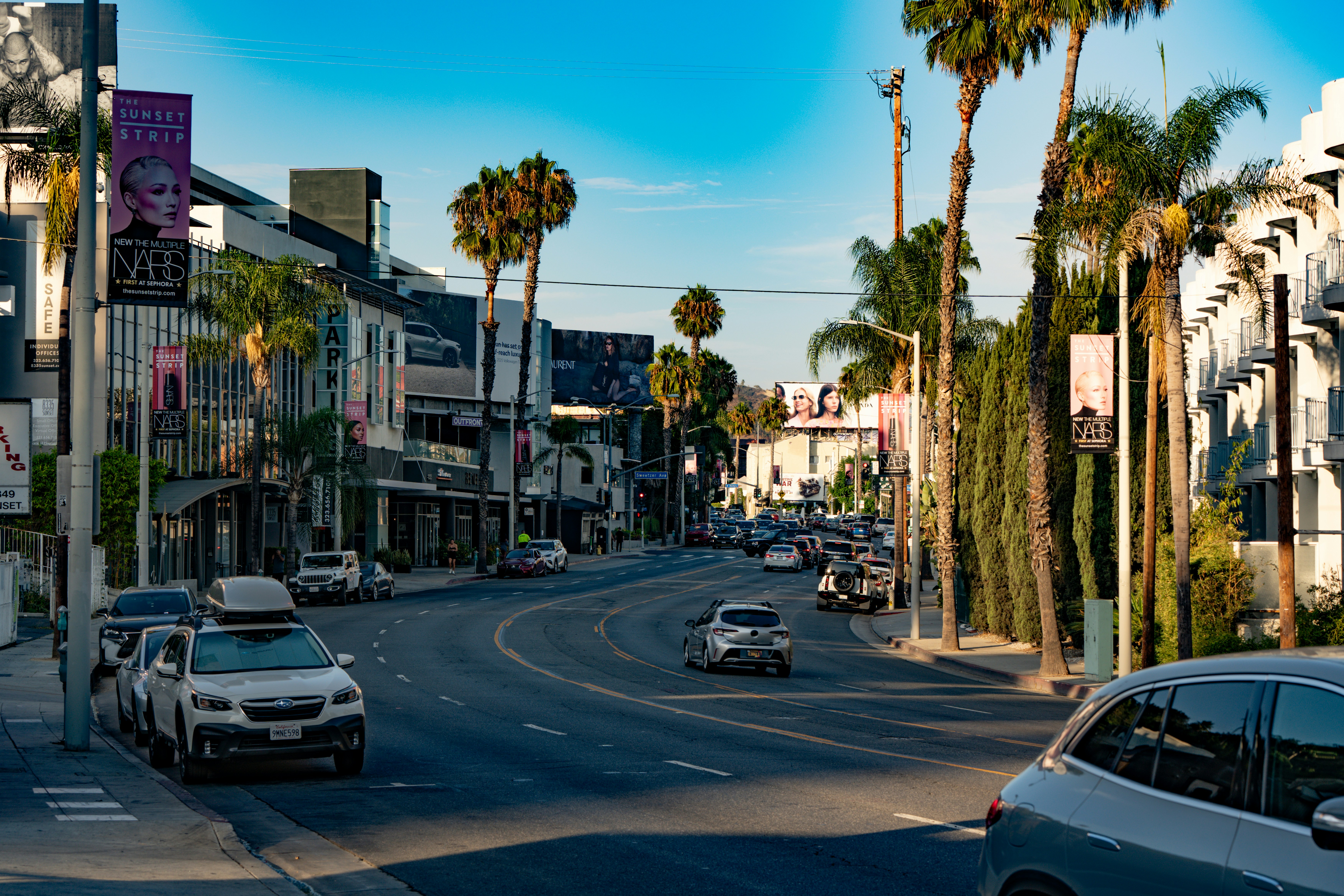
West Hollywood, California | City
While there are many LGBTQ+ cities in California, (one of the best LGBTQ+-friendly states to live in),
including the gay capital of the USA (San Francisco), West Hollywood is not a neighborhood to be slept on. In fact, West Hollywood is one of the most famous gay neighborhoods in the world and is perfect for the party people. Known for its iconic rainbow crosswalks, legendary bars, and strong LGBTQ+ representation in local government, it’s a vibrant hub in the heart of L.A. What makes this area particularly special is that it’s only a couple of hours away from the gay hotels in Palm Springs. So, when it’s time to take a well-deserved break, you’ll be sitting back, relaxing in no time.
Ybor City, Tampa, Florida | Neighborhood
Historic Ybor City combines Cuban heritage with a lively LGBTQ+ nightlife scene. Popular with young professionals, the neighborhood offers unique brick streets, cultural festivals, and community hubs like the Columbia Restaurant Ybor. It’s an excellent option for those looking for Florida warmth without the Miami prices.
Park Slope, Brooklyn, New York | Neighborhood
Park Slope is one of New York’s most family-friendly LGBTQ+ neighborhoods. Known for its brownstones, leafy streets, and strong sense of community, it’s popular with queer families and creatives alike. Prospect Park provides plenty of green space for outdoor activities, so whether you’ve already got kids, plan on growing your family, or just like the vibe, Park Slope is the community for you.
Oak Lawn, Dallas, Texas | Neighborhood
There are so many great cities for LGBTQ+ folks in Texas, and it may be a surprise to some that Dallas is one of them. But Oak Lawn is a beacon of LGBTQ+ culture in the Southwest. This neighborhood is home to the city’s Pride parade, diverse dining options, and a welcoming southern community. Along with all of these things that Oak Lawn has to offer, the friendly city has a number of helpful resources and groups in Dallas, specifically designated to serve, support, and celebrate its LGBTQ+ community.
Williamsburg, Brooklyn, New York | Neighborhood
The trendy Williamsburg in Brooklyn, one of New York's queer-friendly cities, attracts a younger LGBTQ+ crowd with its artsy ambience, indie music scene, and dynamic nightlife. It’s perfect for creatives seeking a mix of urban energy and community connection, and the waterfront parks and city views make it such a desirable place to live.
Wilton Manors, Florida | City
Wilton Manors is a vibrant, proudly LGBTQ+ city and a natural choice for anyone looking to relocate somewhere with a well-established queer community. Wilton Drive, the city's main thoroughfare, is lined with LGBTQ+-owned businesses, restaurants and community spaces, giving the area a strong sense of local identity.
The city's LGBTQ+ infrastructure extends beyond its reputation, too. Wilton Manors is home to the Pride Center at Equality Park, while the city has also established an LGBTQ+ liaison and recognizes its LGBTQ+ history and community.
Often dubbed one of the gayest cities in America, this is also where GayRealEstate.com is based, and proudly so! For prospective homebuyers, the city's residential neighborhoods and proximity to Fort Lauderdale offer the chance to be part of that community while still having access to the wider South Florida area.
How to Choose the Right LGBTQ+ Friendly Community
Relocating to a new city can seem daunting, especially when you don’t know which city is right for you or where to start. But it doesn’t have to be that way! With these three simple tips, you can decide which LGBTQ+-friendly city suits you best. You can also explore resources like GayRelocation.com to compare cities and see which ones align most with your lifestyle and priorities.
Cost of Living and Real Estate
When deciding where to move, consider both housing costs and overall affordability. Cities like Key West and West Hollywood are iconic, but they do usually come with a premium price tag. On the other hand, neighborhoods like Oak Lawn or Montrose offer more affordable options without sacrificing community and livelihood.
Community Support and Culture
Look for cities with strong LGBTQ+ organizations, resource centers, and visible local support. From Pride parades to community events, a thriving LGBTQ+ culture can make all the difference in feeling at home. Just trust your gut. You’ll know if it’s the right decision based on the support available.
Local LGBTQ+ Events
Choosing a neighborhood with regular Pride events, LGBTQ+-owned businesses, and local advocacy helps ensure a welcoming environment. Even in smaller towns like New Hope or Rehoboth Beach, you’ll find communities that prioritize diversity, equity, and inclusion.
Find an LGBTQ+ Real Estate Agent in the US
Relocating to a new city is easier with an agent who understands your needs. GayRealEstate.com connects you with LGBTQ+ and allied agents across the country, helping you find the perfect home in a neighborhood where you’ll feel welcome.
Ready to relocate? Start your search with us today and make your move with confidence!

