If you're considering relocating to gay Florida, exploring the state's different LGBTQ+ communities can help you find the right place to call home. Gay-friendly beaches in Florida, the sunshine, and some of the best gay cities in the U.S. all make it an appealing destination for LGBTQ+ homebuyers. From Miami's gay scene to Wilton Manors' established LGBTQ+ community, the Sunshine State offers a variety of lifestyles and opportunities to put down roots.
State policies affecting transgender residents, healthcare and education can influence where people feel comfortable settling. And while the landscape of gay rights in Florida deserves careful consideration, there are many other factors to weigh in where you settle.
Whether you're buying your first home, relocating with your chosen family or looking for a fresh start, here's what you need to know about LGBTQ+ life in Florida.
Understanding Florida's LGBTQ+ Landscape
The community in gay Florida is diverse, with established queer neighborhoods, active advocacy groups and a busy calendar of cultural events. However, experiences can vary considerably depending on where you live given the state's changing political and legal landscape. For LGBTQ+ homebuyers, understanding local attitudes, community resources and available protections is an important part of deciding where to settle.

History of LGBTQ+ Activism in Florida
With community organizations, local businesses and Pride celebrations helping residents build connections and campaign for equality, Florida has a long history of LGBTQ+ activism.
In southern parts of Florida (like Fort Lauderdale and Wilton Manors), the areas are known for their established queer communities. Take Orlando, for example; it holds an important place in Florida’s LGBTQ+ history, shaped by local advocacy, annual Pride celebrations and residents who continue to create welcoming spaces across the city. Following the 2016 Pulse nightclub tragedy, the community's solidarity and support for those affected became an important part of Orlando's story. Today, newcomers can explore local LGBTQ+ organizations (such as Equality Florida), social events and community groups to start building connections of their own.
Not All Cities Feel the Same
Florida's LGBTQ+ experience varies by location. Larger cities generally offer more LGBTQ+-focused venues, healthcare providers and community organizations, while smaller towns may provide quieter surroundings and different housing opportunities.
Local policies also matter. Some areas have protections that go beyond state law, so investigate individual communities rather than assuming the whole state offers the same experience.
Local LGBTQ+ Culture in Florida
The queer culture here extends far beyond the array of gay bars in Florida. Depending on where you live, you'll find Pride festivals, arts organizations, queer-owned businesses, sports groups and community centers. These everyday connections can be super important when relocating. So go out and explore local events and community networks to find somewhere that suits your interests and lifestyle.
Equality and Rights in LGBTQ+ Florida
Florida's LGBTQ+ rights landscape is complex, with federal protections, state legislation and local ordinances sometimes taking different approaches. While same-sex marriage is legally recognized, state policies affecting transgender people, education and healthcare remain important considerations for many residents. Before relocating, it's worth researching Florida’s LGBTQ laws and up-to-date local protections to understand how they may affect your circumstances and long-term plans.

Federal Protections vs. Florida State Law
In the US, LGBTQ+ rights can be affected by federal laws, Florida state laws and local rules. Federal laws apply nationwide, while state laws can provide additional protections or leave gaps in areas not specifically covered.
For example, federal employment law protects people from discrimination because of their sexual orientation or gender identity. However, housing protections are less straightforward. The federal Fair Housing Act doesn't explicitly name either category, and Florida's state housing discrimination law doesn't list them either. Federal interpretations have applied the Fair Housing Act's protections against sex discrimination to LGBTQ+ housing discrimination, but the legal position is more complex than it is for employment.
Some Florida cities and counties have introduced additional local protections. If you're planning to buy a home, it's worth checking the rules in your chosen area so you understand what legal protections may apply to you.
Anti-Discrimination Protections
The Fair Housing Act prohibits discrimination based on categories including race, religion, sex, disability and familial status in Florida, but doesn't expressly include sexual orientation or gender identity. Some local ordinances provide broader protections. Jacksonville, for example, includes both categories in its Human Rights Ordinance.
If you experience housing discrimination, document what happened and seek advice from a qualified fair housing organization or attorney. The U.S. Department of Housing and Urban Development provides information about federal protections.
Marriage Equality and Relationship Recognition
If you're asking, "Is gay marriage legal in Florida?", the answer is a simple yes: same-sex marriage is legally recognized in the state following the nationwide recognition established by the Supreme Court's 2015 Obergefell v. Hodges decision.
In terms of buying property together, it's still important to understand ownership arrangements, mortgage responsibilities and inheritance. An attorney can explain options such as joint tenancy and tenancy in common, helping you decide how to own the property together.

Issues Affecting the Trans Community
Transgender Floridians face additional considerations involving healthcare, education, public facilities and identity documentation.
Florida has enacted restrictions affecting gender-affirming healthcare, particularly for minors, alongside policies affecting treatment arrangements for adults. Other laws address school participation and bathroom access.
Because legislation and court decisions can change, transgender buyers should check current guidance from reputable LGBTQ+ legal organizations before relocating.
Accessing Florida’s LGBTQ+ Healthcare
Access to affirming healthcare is another important consideration, especially for people requiring ongoing hormone therapy, specialist treatment, mental health support or HIV care.
Larger metropolitan areas may offer more providers, but availability and legal restrictions vary. Before moving, confirm that nearby services meet your needs, accept your insurance and are accepting new patients.
Florida's Gayest Areas
Wondering which is the gayest city in Florida? There's no single answer, as destinations such as Wilton Manors, Fort Lauderdale, Miami and St. Petersburg each offer a different mix of LGBTQ+ community, culture and nightlife. From lively coastal cities to smaller communities with established LGBTQ+ networks, Florida offers a range of places to call home. Each destination has its own character, housing market and community resources, whether you're looking for vibrant nightlife, family-friendly neighborhoods or a quieter coastal lifestyle. Exploring these differences can help you identify locations that match your priorities, budget and sense of belonging. Whether you’re wondering if Wilton Manors is gay-friendly or where to find gay clubs in Orlando, here's everything you need to know about gay Florida.
Miami
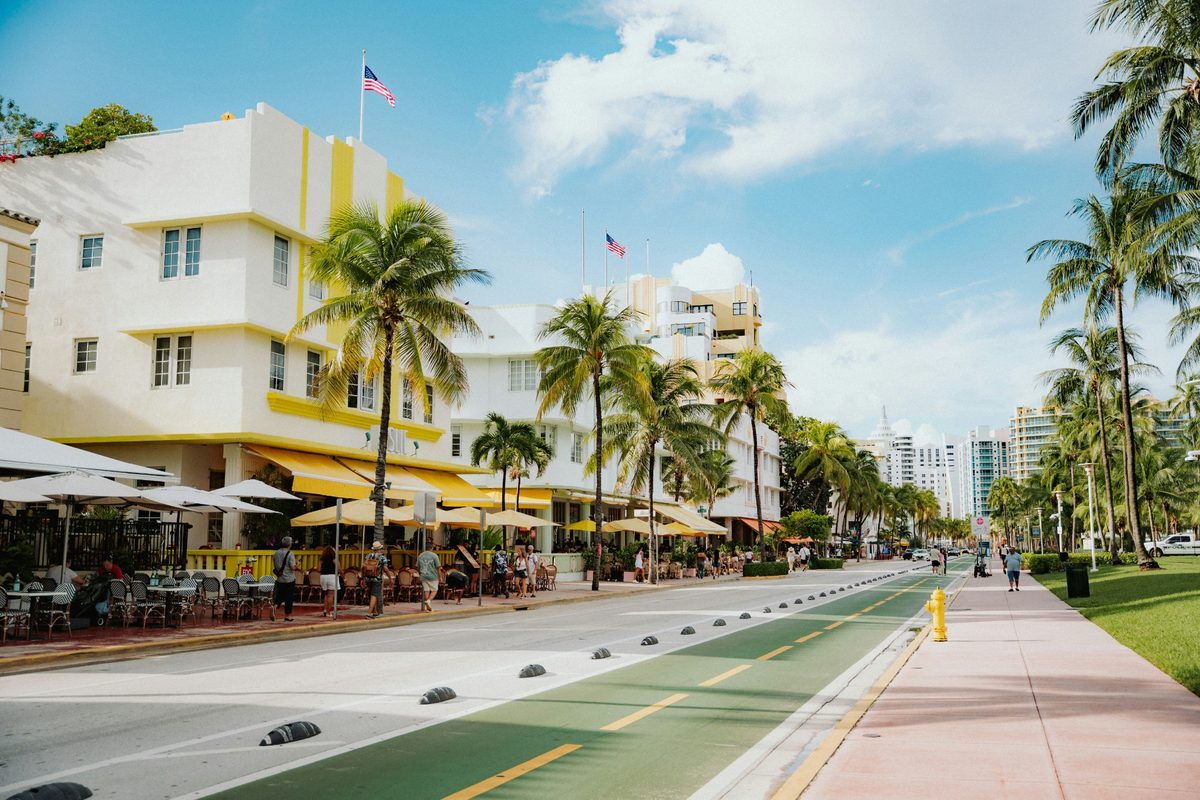
If there’s one thing that gay Miami does best, it’s combining international culture, beaches, and arts. And if that wasn’t enough, wait until you hear about its energetic nightlife; the gay bars in Miami offer plenty of ways to connect with the local community. South Beach in particular is associated with LGBTQ+ visitors, while neighborhoods across the city offer different residential lifestyles. So, is Miami gay-friendly? With its LGBTQ+ scene, LGBTQ+-friendly venues, community events and social spaces, we’d say so!

Fort Lauderdale
Fort Lauderdale’s gay scene offers waterfront living, restaurants, nightlife and an established LGBTQ+ community. Its range of apartments and residential neighborhoods makes it worth considering for buyers seeking coastal living alongside queer social opportunities. Exploring the lively gay bars in Fort Lauderdale is an easy way to discover the city's social scene and meet other people who call the area home. So if you’re serious about relocating to gay Fort Lauderdale, compare neighborhoods to find the right balance of community, coastal living and affordability to feel right at home from day one.
Key West
For anyone considering gay Key West as a place to call home, the island's LGBTQ+ community, relaxed atmosphere and year-round social scene are major draws. It’s known for its colorful architecture, independent businesses, island atmosphere and longstanding LGBTQ+ presence. However, limited housing availability, potentially high prices and distance from some services deserve consideration.
Orlando
From Anthem to District Dive, Orlando’s gay bars are on another level. But gay Orlando offers more than nightlife, with community events and social groups helping residents build connections in Orlando’s most recognizable gayborhoods. The Orlando gay community offers a scene for everyone, whatever you’re into.
Jacksonville
Gay Jacksonville combines Atlantic beaches, a large metropolitan area and a varied housing market. Its Human Rights Ordinance includes protections based on sexual orientation and gender identity. Because the city covers a large geographical area, consider commuting distances when choosing a neighborhood.

Tampa
Gay Tampa offers waterfront attractions, restaurants, arts and LGBTQ+-friendly venues. Buyers can also explore the wider Tampa Bay region to compare neighborhoods, amenities and housing costs.
Palm Beach County
Palm Beach County combines coastal communities, suburban neighborhoods and varied property types. Lake Worth Beach is particularly worth exploring for its arts scene and LGBTQ+-friendly community spaces. Costs vary considerably across the county.
Wilton Manors
Home to GayRealEstate.com, Wilton Manors (the gay capital of Florida) is a fitting place to start your search for a gay-friendly real estate professional. Wilton Drive features some of the best restaurants, independent businesses and gay bars in Florida, making it appealing to buyers who want to live close to an established LGBTQ+ community. Living here also puts you close to the Fort Lauderdale gay life (one of Florida's best-known LGBTQ+ communities), beach days and community events throughout the year.
St. Petersburg
St. Petersburg is known for its arts scene, waterfront parks, independent businesses and popular Pride celebrations. Buyers can compare downtown apartments with quieter residential neighborhoods, while checking flood exposure and insurance costs.

Florida’s LGBTQ+ Community Beyond the Big Cities
Smaller communities can also offer LGBTQ+ connections. Gulfport and Dunedin, in the St. Petersburg-Clearwater area, host community events and have local businesses that contribute to an inclusive atmosphere.
However, smaller towns may have fewer LGBTQ+-specific services and venues. Research nearby organizations, healthcare access and local policies, and visit outside festival season to understand everyday life.
Florida Pride
Pride celebrations are a great way to experience Florida’s LGBTQ+ culture and meet residents before relocating.
Notable events include Miami Beach Pride, Stonewall Pride in Wilton Manors, Key West Pride, Orlando's Come Out With Pride and St. Pete Pride. Dates and programming change annually, so check official event websites before visiting.
Use a Pride trip to explore nearby residential neighborhoods, too. The atmosphere during a festival may differ from everyday life.

Gay Beaches in Florida
Florida's coastline offers plenty of opportunities for LGBTQ+ residents to enjoy the outdoors.
Miami Beach's 12th Street area is a well-known LGBTQ+-friendly gathering spot, while Sebastian Street Beach in Fort Lauderdale has a longstanding reputation among gay beachgoers. Key West offers beach days alongside its wider queer culture.
Haulover Beach, north of Miami Beach, also has a designated clothing-optional section, although it isn't exclusively LGBTQ+.
If coastal living appeals to you, remember to investigate flood risks, windstorm coverage and insurance costs before buying.
Gay Nightlife in Florida
Florida's LGBTQ+ nightlife ranges from dance clubs and drag performances to neighborhood bars and relaxed cocktail spots.
Miami is known for its varied nightlife, while Fort Lauderdale and Wilton Manors offer clusters of gay bars and gay clubs in Florida. Orlando’s gay scene, as well as St. Petersburg, Jacksonville and Tampa, have LGBTQ+-friendly venues and social events as well.
Tampa’s gay bars are particularly worth exploring around Ybor City, known locally for its LGBTQ+ nightlife. Venues such as Bradley's on 7th and Southern Nights offer options for a unique evening out.
If you’re looking for Key West’s gay bars, however, these are largely centred around Duval Street, where venues such as 801 Bourbon Bar and Bourbon Street Pub are known for drag shows, entertainment and lively evenings.
If nightlife is important to you, check how easily you can reach venues from a potential home. Walkability, parking and late-night transport can all affect your experience.
What LGBTQ+ Buyers Should Check Before Relocating
Relocating to Florida is about more than finding your dream home. Before making a move, LGBTQ+ buyers should consider local laws and protections, access to affirming healthcare, community resources and the cost of living. It's also worth researching individual neighborhoods, schools and property-related expenses to make sure your chosen location suits your needs now and in the future. Doing your research early can help you make a more informed decision about where to put down roots.

Local Laws and Protections
Research state legislation, local ordinances and policies affecting housing, education and public accommodations. Use current government guidance and Florida’s LGBTQ+ advocacy organizations to verify the rules.
Specific Neighborhoods
Visit potential neighborhoods at different times of day. Consider transport, commute times, amenities and whether you prefer an urban, suburban or coastal lifestyle.
Florida’s LGBTQ+ Community
Look beyond nightlife. Community centers, sports groups, volunteering opportunities and family organizations can help you build lasting connections.
Schools
Families should investigate school districts, anti-bullying policies and current rules concerning LGBTQ+ topics in education. Contact schools directly to understand their policies and available support.

Trans-Specific Considerations
Transgender buyers should verify current rules affecting healthcare, identity documents, education and public facilities. If ongoing treatment is essential, confirm its availability and legal requirements before relocating.
Healthcare Access
Identify nearby primary care providers, specialists and mental health services. Check insurance acceptance, appointment availability and travel times, especially if you need regular specialist care.
Affordability
Compare more than property prices. Property taxes, homeowners insurance, flood coverage, homeowners association fees and maintenance can significantly affect your budget.
For coastal properties, check official flood maps, obtain insurance quotes early and arrange appropriate inspections.
Find Your Place in Florida With GayRealEstate.com
Florida offers LGBTQ+ homebuyers a variety of possibilities, from Wilton Manors' established gay community to St. Petersburg's arts scene and Miami's vibrant urban lifestyle. Choosing the right location means balancing community, affordability, and legal considerations alongside your personal priorities.
A gay-friendly realtor can help you explore neighborhoods, compare properties and navigate the buying process with your needs in mind. Connect with an LGBTQ+ real estate agent in Florida today and explore homes that suit your lifestyle and future plans.