Finding the right home means looking beyond the property itself. For LGBTQ+ homebuyers, access to community, legal protections, healthcare, and affordable housing can be just as important as discovering what the best mountain towns in the US actually are.
There are so many beautiful mountain towns in the USA that offer a distinctive combination of outdoor adventure, indie businesses, and close-knit communities. From established mountain cities to smaller, close-knit communities, the US has plenty of options for buyers seeking an outdoor lifestyle. Whether you're exploring the best mountain towns in the USA for their cultural attractions or looking for a quieter place to settle down, each destination offers something different.
To make your search that little bit easier, here are 15 mountain towns worth exploring, along with practical considerations to help you find the right fit.
The Best Mountain Towns in America to Live in
From the Rocky Mountains to the forests of the Pacific Northwest, the US is home to a range of mountain towns that mix outdoor adventure, cultural attractions, and LGBTQ+ community connections. Whether you're looking for a lively college town or a quieter place to settle down, these destinations offer different lifestyles, housing options, and local resources to explore.
Santa Fe, New Mexico
Gay life in Santa Fe combines high-desert scenery with an established arts scene, independent restaurants, and LGBTQ+ community resources. Nearby trails and open spaces provide plenty of opportunities to enjoy the outdoors. Although its high-desert landscape differs from a traditional alpine setting, Santa Fe offers the cultural character and outdoor access many buyers seek in a mountain town.
If you're hoping to live close to Santa Fe's galleries, restaurants, and cultural events, the Railyard District and South Capitol are good places to start your search. With homes selling for a median of around $575,000, it's worth comparing property styles and prices across different neighborhoods before deciding where to settle. New Mexico also protects LGBTQ+ homebuyers from housing discrimination based on sexual orientation and gender identity, while researching local affirming healthcare can help you plan for your long-term needs.

Boulder, Colorado
Another of the best mountain towns in the US is Boulder, a city perfect for LGBTQ+ life that offers great access to hiking, cycling, and climbing. For buyers comparing cities in the mountains, Boulder's combination of college life, outdoor recreation, and urban amenities makes it both a distinctive and progressive option. Its college, lively downtown scene, and outdoor-focused culture also provide opportunities to meet people and build connections.
Boulder offers plenty for outdoor enthusiasts, but buying here comes at a premium, with a median sale price of around $975,000. If that stretches your budget, compare areas such as Martin Acres and North Boulder with properties closer to the city center to see where you might get more for your money.
Bend, Oregon
One of the best small mountain towns you’ll find is Bend, a popular destination for mountain biking, skiing, hiking, and recreation along the Deschutes River. Its small businesses and growing community make it one of the cool mountain towns worth exploring if you’re seeking an active lifestyle with year-round outdoor opportunities.
Bend's mix of outdoor adventure and everyday amenities makes it appealing to buyers who want an active lifestyle, although a median sale price of around $699,000 means you'll need to plan your budget carefully. Northwest Crossing offers planned residential streets and community amenities, while Midtown is worth exploring if you'd prefer to be near shops and services. Oregon's fair housing protections cover sexual orientation and gender identity. Before relocating, check whether Bend has the healthcare specialists you need or whether some appointments would mean travelling to a larger medical center.

Durango, Colorado
For buyers weighing the best mountain cities against smaller communities, Durango offers a more relaxed alternative to Colorado's larger urban areas. Surrounded by the San Juan Mountains, you can hike, raft, ski, and enjoy the historic downtown in Durango. Its smaller population appeals to buyers seeking a community-oriented lifestyle.
Durango's historic downtown puts independent shops, restaurants, and cultural attractions within easy reach, while developments such as Three Springs offer a different style of residential living. With a median sale price of around $789,000, comparing older homes with newer properties can help you understand what your budget will buy. Colorado's housing laws protect LGBTQ+ residents from discrimination, but healthcare options can be more limited in smaller regional communities, so check specialist availability before committing to a move.
Burlington, Vermont
Researching the best East Coast mountain towns? Burlington combines Lake Champlain views with access to the Green Mountains. The University of Vermont contributes to its cultural life, while local organizations and events provide opportunities to connect with the LGBTQ+ community.
If you’re seeking the best LGBTQ+ cities for people relocating to New England, Vermont actually has statewide LGBTQ+ protections, contributing towards its inclusivity. Vermont explicitly protects LGBTQ+ residents from housing discrimination, and Burlington's healthcare network may also be an advantage if you want access to a broader range of services than you'd typically find in a remote mountain community.
Burlington's Old North End has a lively neighborhood atmosphere, while the South End is known for its creative businesses and arts scene. A median sale price of around $520,000 gives you a useful starting point when comparing properties in these areas, although prices will vary by home type and location.
Taos, New Mexico
One of the more rural mountain towns, Taos is known for its mountain scenery, adobe architecture, galleries, and distinctive cultural heritage. In addition to being one of the best cities in New Mexico for LGBTQ+ people, there are also hiking and skiing activities nearby that make it attractive to people seeking thrills in one of the State’s more quaint mountain towns.
Taos may appeal if you're looking for a quieter pace of life, with a median sale price of around $462,000. You could focus your search near the historic center for easier access to shops and restaurants, or explore properties around Ranchos de Taos if you'd prefer more space. Before moving to a more rural area, think about practicalities such as property maintenance and how far you'd need to travel for healthcare. New Mexico's housing protections also cover LGBTQ+ residents.
Fort Collins, Colorado
Gay life in Fort Collins offers foothill scenery, extensive cycling routes, parks, and a lively downtown. Colorado State University contributes to the city's social atmosphere, while its broader employment base may suit buyers who need more career options.
Colorado protects LGBTQ+ residents under statewide nondiscrimination laws. Housing costs still require careful budgeting, so compare condos, townhomes, and surrounding communities alongside commuting expenses.
While Fort Collins might not be considered a small mountain town, it definitely has that small-town feel. But just how many people live in Fort Collins exactly? It’s home to over 171,500 residents; this makes it Colorado’s fourth most populous city!
Fort Collins gives buyers a wider choice of residential settings, from the walkable streets around Old Town to areas such as Midtown, where shopping and everyday services are close at hand. With a median sale price of around $575,000, it's worth comparing neighborhoods to find the right balance between budget, space, and convenience. Colorado protects LGBTQ+ people from housing discrimination, and the city's larger healthcare network may offer more choice than smaller mountain communities. Check individual providers and insurance coverage to make sure your needs can be met.

Flagstaff, Arizona
Flagstaff offers a forested mountain setting near the San Francisco Peaks, with opportunities for hiking, skiing, and camping. Northern Arizona University also contributes to local cultural and community life.
As one of the best smaller mountain towns in the US, you’re probably wondering, “How many people live in Flagstaff?” With only ~77,260 residents living here, it’s easy to slot right in and feel part of a welcoming community.
Flagstaff combines mountain scenery with a university-town atmosphere, but a median sale price of around $702,000 means it's worth researching the local market before committing to a move. Compare central neighborhoods with areas such as University Heights and Cheshire, keeping in mind that property types, prices, and access to amenities vary. Arizona's housing protections and policies differ from those in some other states on this list, so check the rules that apply to your circumstances. It's also worth investigating local LGBTQ+-affirming healthcare and whether specialist treatment would require travelling elsewhere.
Ashland, Oregon
If you’re looking for the best LGBTQ+-friendly small towns in the mountains, Ashland offers just that. Known for its theater scene, independent businesses, and access to the Siskiyou Mountains, its cultural calendar and nearby hiking trails offer a balance between small-town living and outdoor adventure.
Ashland's theaters, independent shops, and restaurants give it plenty of small-town character, particularly around downtown and the Railroad District. With a median sale price of around $523,000, you could compare homes near the center with properties farther out if you'd like more space. Oregon law prohibits housing discrimination based on sexual orientation and gender identity. Ashland is smaller than many cities, though, so check whether local healthcare providers offer the services you need or whether regular appointments would involve travelling to a larger regional center.
Bellingham, Washington
The city of Bellingham sits between the Cascade Mountains and Puget Sound, offering waterfront scenery, forest trails, and access to outdoor recreation. Western Washington University adds to its cultural life and community atmosphere.
Bellingham offers a mix of waterfront scenery, independent businesses, and established residential neighborhoods. With a median sale price of around $662,000, comparing areas such as historic Fairhaven and residential Sunnyland can help you decide which setting best suits your lifestyle and budget. Washington's housing protections cover LGBTQ+ residents, and Bellingham's regional healthcare services can be helpful when settling into the area. As with any move, check that individual providers accept your insurance and offer the care you need.

Reno, Nevada
Reno provides access to the Sierra Nevada, Lake Tahoe, and numerous hiking and skiing opportunities while retaining the services of a larger city. Its broader employment market may suit buyers who need more than seasonal tourism work.
Gay life in Reno, home to one of the best mountain towns in the US, offers more variety than many smaller mountain destinations, with Midtown appealing to buyers who enjoy independent businesses and dining, while South Meadows has a more suburban feel. A median sale price of around $577,000 provides a starting point for comparing the space and location you can afford. Nevada protects LGBTQ+ residents from housing discrimination, and Reno's larger healthcare network may make ongoing care easier to arrange. Confirm specialist availability and insurance acceptance before choosing a neighborhood.
Salida, Colorado
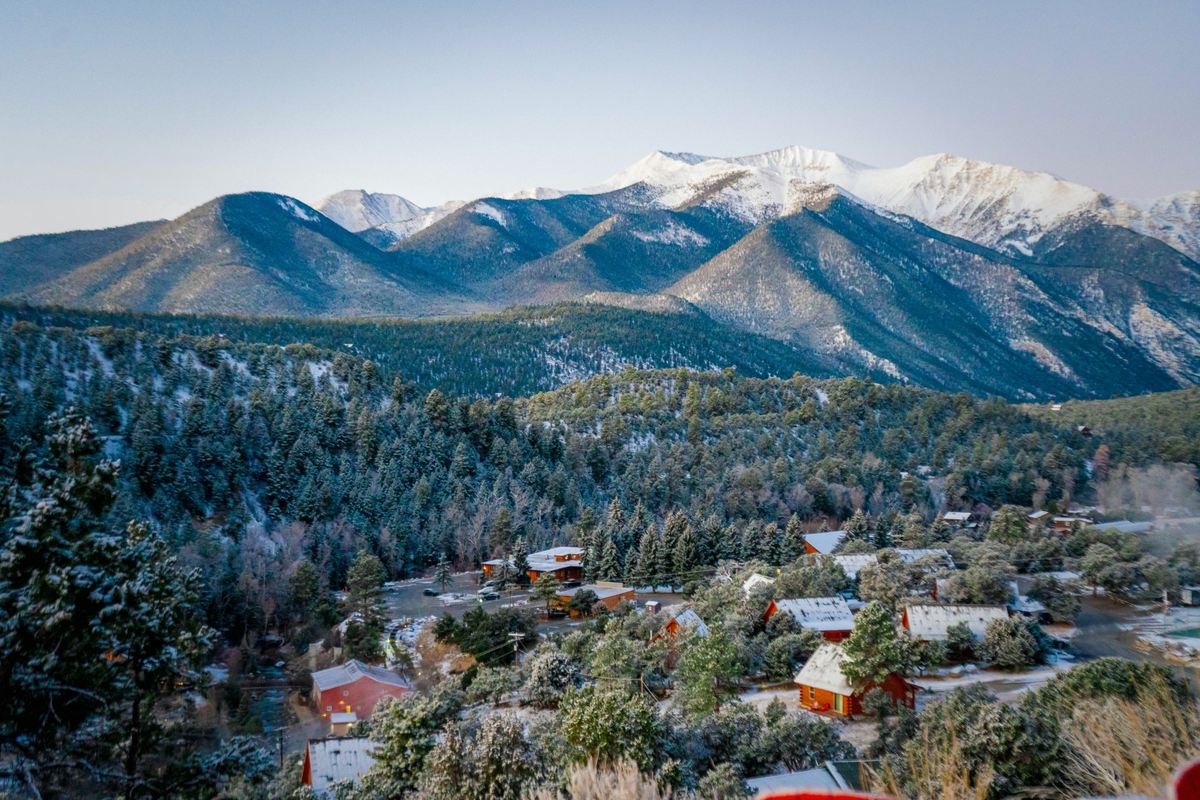
Another of the top small mountain towns is Salida, which sits along the Arkansas River, surrounded by the Collegiate Peaks. Rafting, hiking, cycling, and skiing are popular activities, while its historic downtown supports a creative local community.
Colorado's statewide LGBTQ+ protections are relevant to prospective residents, although the availability of specialist services may be more limited than in larger mountain cities in the USA. Housing inventory can also be tight, so investigate local employment, healthcare access, and winter road conditions.
Salida's compact downtown puts independent businesses and the Arkansas River close by, making it an appealing option if you want outdoor activities woven into everyday life. With a median sale price of around $707,000, it may cost more than some buyers expect, so nearby Poncha Springs is worth exploring if you'd like to widen your search. Colorado's housing protections apply to LGBTQ+ residents across the state, although living in a smaller mountain community can mean fewer specialist services nearby. When weighing your options, you may want to consider healthcare access and travel times alongside the property itself.

Montpelier, Vermont
There are plenty of LGBTQ+-friendly cities in Vermont, and the State’s capital combines a compact downtown, independent businesses, and access to the Green Mountains where you can connect with your community. Its small-city atmosphere appeals to buyers who want community connections without living in a major urban center.
Montpelier's compact center offers convenient access to local shops and services, while properties on the outskirts may provide more space. With a median sale price of around $413,000, it could be worth considering if you're comparing smaller New England communities with more expensive destinations. Vermont boasts some of the nation’s strongest statewide LGBTQ+ protections, which include a comprehensive ban on housing discrimination based on sexual orientation and gender identity. Before buying, also consider the practicalities of winter travel, access to healthcare, and whether a particular property is exposed to flooding.
Truckee, California
As one of the best mountain towns to live in the US, Truckee offers access to Lake Tahoe, the Sierra Nevada, skiing, hiking, and mountain biking. Its historic downtown and local businesses create an appealing year-round community.
Buying in Truckee requires a substantial budget, with homes selling for a median of around $1.2 million. The historic downtown and Tahoe Donner offer different styles of living, so consider how much space you need and whether you want to be close to local shops or community amenities. California protects LGBTQ+ residents from housing discrimination, but mountain living brings additional considerations, including wildfire insurance, winter access, and travel to specialist medical services.

New Paltz, New York
For buyers comparing cities in the mountains with smaller Hudson Valley communities, New Paltz offers a balance of outdoor recreation, independent businesses, and university-town energy. New Paltz sits near the Shawangunk Ridge, with hiking, climbing, independent businesses, and a lively community. Its location also offers connections to the wider region.
New Paltz combines a village atmosphere with an independent business scene and a strong university presence. With a median sale price of around $407,000, comparing homes near the village center with rural properties around the Shawangunk Ridge can help you weigh convenience against space and privacy. New York prohibits housing discrimination based on sexual orientation and gender identity, and the wider Hudson Valley offers additional healthcare options. If you're considering a rural property, remember to factor in car dependence and travel times for everyday services.
What to Consider When Researching Mountain Towns in the USA
Choosing where to buy a home involves more than finding the most beautiful mountain towns and a property you love. Before settling on a mountain town, consider its LGBTQ+ legal protections, community resources, housing affordability, and access to essential services. Understanding practical factors such as property taxes, insurance costs, transport links, and employment opportunities can help you make a more informed decision about where to put down roots.
Statewide LGBTQ+ Protections
Laws covering housing discrimination, employment, healthcare, and gender identity vary by state. The Movement Advancement Project's Equality Maps provide a useful starting point for comparing policies. A good place to start is exploring the Fair Housing Act, which makes it illegal to discriminate against sellers, buyers, or mortgage applicants based on specific protected characteristics, such as your sexual orientation.

LGBTQ+ Community
Look beyond annual Pride events. Research community centers, social groups, healthcare providers, and LGBTQ+-friendly businesses. Visiting before committing can help you understand everyday life and identify opportunities to make connections.
Affordability
Finding the best mountain towns in the US isn’t just about the stunning views they offer. As such, you should compare home prices with local wages, utilities, healthcare expenses, and commuting costs. Condos, townhomes, and nearby communities may offer alternatives to expensive central neighborhoods. Remember that a lower purchase price doesn't always mean lower long-term costs.
Property Taxes
Property taxes vary by county, municipality, and property type. Research the likely annual bill for individual properties, including possible reassessments and additional local charges.
Wildfire and Insurance Risk
Mountain communities may face wildfire, flooding, or severe winter weather. It’s best practice to review hazard maps, evacuation routes, and property-specific insurance availability as part of your planning. Ask about premiums, deductibles, exclusions, and any requirements for maintaining defensible space.
Internet and Cell Service
Rural mountain towns may have unreliable mobile coverage or limited broadband. Check providers and internet speeds at the exact address, particularly if you work remotely or rely on online healthcare.

Transport Links
Consider access to hospitals, grocery stores, airports, and work. Winter road conditions and limited public transportation can make everyday travel more difficult. If you don't drive, check whether essential services are realistically accessible.
Employment Opportunities
Some mountain towns depend heavily on tourism and seasonal work. Research year-round employers, salaries, and remote-working options to ensure your income can comfortably support local housing costs.
Find an LGBTQ+-Friendly Real Estate Agent
Finding the right home is about more than mountain views. It's about choosing a community where you can build connections and a property that suits your future.
With the help of an LGBTQ+-friendly real estate agent, you can compare neighborhoods, understand local market conditions, and explore homes that match your priorities. With informed guidance, you can take the next step toward finding a place to call home. Connect with LGBTQ+-friendly realtors to start exploring housing opportunities in the mountain towns you're looking to call home.