For LGBTQ+ homebuyers, choosing where to live is about more than finding the right house or apartment. It’s also about finding a neighborhood where you can feel part of the community, whether that means having LGBTQ+-owned businesses around the corner, a favorite coffee shop down the street or a lively local Pride celebration to look forward to each year.
Some of the gayest neighborhoods in America have become particularly well known for their communities. These gayborhoods range from historic districts that played a major role in LGBTQ+ rights to lively modern communities filled with LGBTQ+-owned businesses, cultural venues, restaurants and nightlife.
If you’re researching where to live, these are some of the best-known gayborhoods to put on your list.
Top Gayborhoods in the US
From historic LGBTQ+ hubs to lively modern communities, gayborhoods across the US each have their own character. Here are some of the best to explore if you're considering where to put down roots.
Provincetown, Massachusetts
At the tip of Cape Cod, Provincetown, a small coastal gay town, has an outsized LGBTQ+ reputation. Commercial Street is the heart of the community, lined with restaurants, galleries, independent shops, guesthouses and LGBTQ+-friendly bars.
Known to be one of the 10 most LGBTQ+-friendly small towns in America, Provincetown is particularly distinctive because its LGBTQ+ identity is woven into the character of the entire town rather than being confined to a few city blocks. For prospective homebuyers, the appeal extends beyond nightlife. Beaches, galleries, restaurants and year-round community events are all part of local life.

Greenwich Village / West Village, New York City, New York
Greenwich Village and the West Village are among the most historically significant LGBTQ neighborhoods in the country. Christopher Street and the surrounding streets are closely associated with the Stonewall Uprising of 1969, an important turning point in the modern LGBTQ+ rights movement.
Today, Greenwich Village, considered to be one of the best-known gayborhoods in New York, combines that history with classic city living. Think brownstones, apartment buildings, independent restaurants, cafés, boutiques, parks, and an extensive subway network.
Capitol Hill, Seattle, Washington
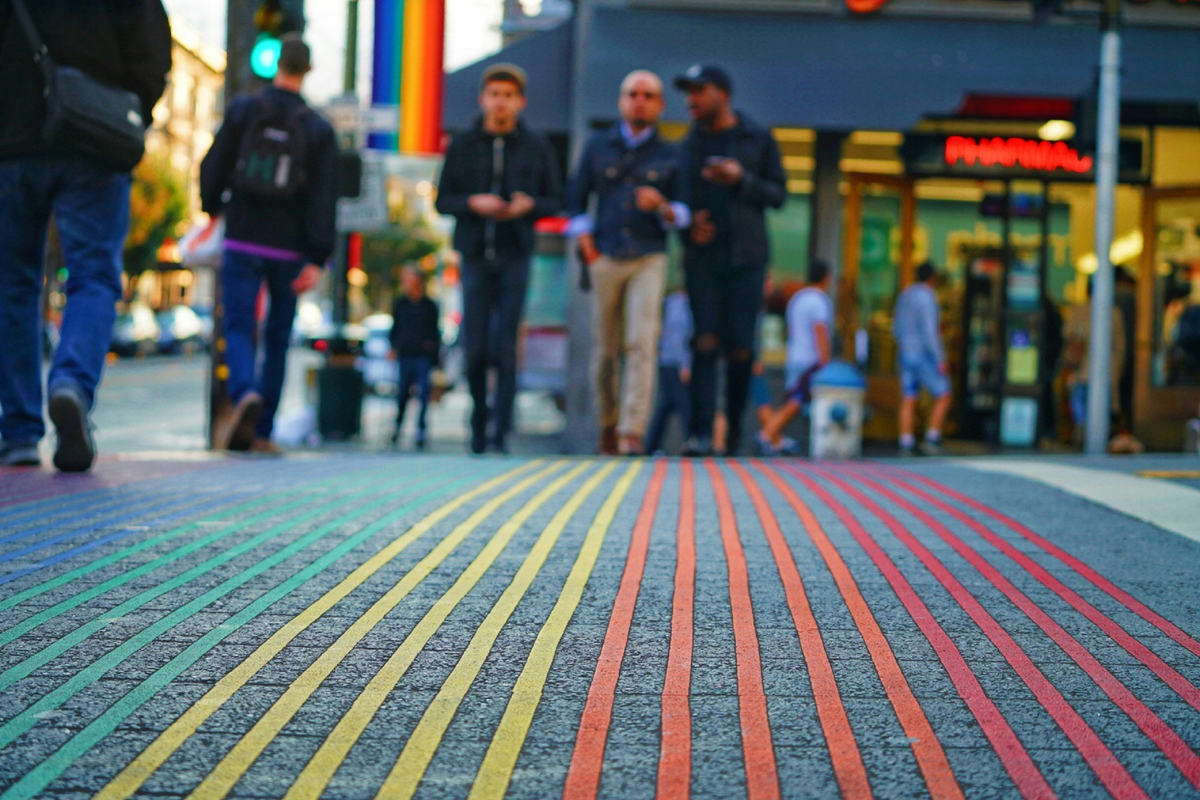
Capitol Hill has long been Seattle's LGBTQ+ epicenter. The neighborhood is known for its rainbow-painted crosswalks, LGBTQ+ bars, restaurants, coffee shops, boutiques, music venues and public spaces.
For homebuyers, Capitol Hill offers a distinctly urban lifestyle, with plenty of amenities within walking distance and convenient connections to downtown. The mix of historic homes, apartments and newer developments also gives buyers different housing options to consider.
West Hollywood (WeHo), Los Angeles, California
West Hollywood has developed one of the most recognizable LGBTQ+ communities in Southern California. More than 40% of the city's residents identify as LGBTQ+, according to the City of West Hollywood, and the city has a long record of advocacy around LGBTQ+ issues.
Santa Monica Boulevard is central to the identity of gayborhoods in Los Angeles, with restaurants, nightlife, entertainment and LGBTQ+-friendly businesses. The area is also known for its walkable pockets, palm-lined streets and proximity to Beverly Hills, Hollywood and other parts of Los Angeles.

Midtown, Atlanta, Georgia
Midtown is widely recognized as the center of LGBTQ+ life in Atlanta, although LGBTQ+ communities and businesses are spread throughout the wider metro area. The intersection of 10th Street and Piedmont Avenue is a well-known starting point for exploring the gayborhood in Atlanta.
Homebuyers may also appreciate Midtown's accessibility. MARTA provides public transportation connections, while Piedmont Park offers a major green space close to the center of the gayborhood in Atlanta.
Dupont Circle / Logan Circle, Washington, D.C.
Dupont Circle is often described as Washington, D.C.'s original gayborhood. Its central circle, leafy streets and surrounding restaurants, boutiques and bars make it one of the city's most recognizable neighborhoods. Seventeenth Street is particularly associated with LGBTQ+-owned businesses and nightlife.
Nearby Logan Circle provides another popular option, with historic row houses, restaurants, bars, theaters and outdoor spaces. The two neighborhoods are close enough that residents can easily enjoy both.

Montrose, Houston, Texas
Montrose has been a famous gayborhood in Houston, one of the gayest cities in Texas, for decades. Its LGBTQ+ history stretches back to the city's counterculture movement, and by the late 1970s the area reportedly had an estimated 30 to 40 gay bars.
Today, Montrose is much more than nightlife. Vintage stores, restaurants, galleries, cafés and cultural attractions sit alongside LGBTQ+-friendly bars and community spaces. The Menil Collection and Rothko Chapel are also nearby in Houston’s gayborhood. Housing is varied, too, from older bungalows and renovated homes to apartments and newer developments, so buyers aren't limited to one type of property.
Wilton Manors, Fort Lauderdale, Florida
Wilton Manors is unusual because the LGBTQ+ community isn’t concentrated in one small section of the city. Instead, LGBTQ+ life is woven throughout the municipality, with Wilton Drive serving as its best-known commercial center. This is exactly why Fort Lauderdale as a whole has been named one of our best gay cities to live in the United States.
Wilton Drive is packed with restaurants, lounges, shops and nightlife, while the Pride Center at Equality Park provides community resources, programs and events.

Hillcrest, San Diego, California
Hillcrest is one of San Diego's best-known LGBTQ neighborhoods and is particularly convenient for people who want restaurants, stores and services close to home.
The City of San Diego describes Hillcrest as having the city's largest concentration of LGBTQ+-owned businesses. This gayborhood in San Diego also combines older homes with newer apartments and condominiums.
University Avenue and Fifth Avenue form major commercial corridors, while Balboa Park is just south of the gayborhood in San Diego. The area also hosts CityFest and plays a major role in San Diego's annual LGBTQ+ Pride celebrations.

Oak Lawn / Cedar Springs, Dallas, Texas
Oak Lawn and Cedar Springs form the historic heart of Dallas's gayborhood. Gay life in the city is packed with something for everyone, whether your vibe is restaurants, bars, clubs, or other LGBTQ+-friendly businesses.
The gayborhood in Dallas has a strong residential element, too, making it more than a destination for a night out. Condo buildings, apartments and homes can be found around the wider Oak Lawn area.
Cedar Springs Road is also closely connected to the history of the gayborhoods in Dallas. In 2018, for example, the Texas Historical Commission recognized Oak Lawn's LGBTQ+ heritage with a historical marker at Cedar Springs Road and Throckmorton Street.

Northalsted / Boystown, Chicago, Illinois
Northalsted, historically known as Boystown, is one of the most recognizable gayborhoods in Chicago as well as the US. In 1997, Chicago officially designated the area as the city's gay neighborhood, making it the first in the country to receive such a designation.
The neighborhood stretches along Halsted Street and contains more than 120 businesses, including restaurants, shops, health and beauty services and LGBTQ+-friendly bars.
The Castro, San Francisco, California
The Castro is arguably one of the best gayborhoods in the US and is internationally recognized as such. It became a major center of LGBTQ+ culture and political activism during the 1970s and remains an important gayborhood in San Francisco for its history.
Harvey Milk Plaza, Castro Street and the GLBT Historical Society Museum are among the area's notable landmarks. The San Francisco gayborhood also retains a strong collection of LGBTQ+-owned and LGBTQ+-friendly businesses.
For buyers, the Castro combines historic architecture, apartments, restaurants, cafés, nightlife and access to San Francisco's Muni network. It's particularly suited to people who want to live somewhere where LGBTQ+ history is part of the everyday streetscape.

The Gayborhood/Midtown Village, Philadelphia, Pennsylvania
Centered around Midtown Village, the gayborhood in Philadelphia is particularly present in the area around 13th and Locust Streets. It's filled with restaurants, shops, theaters, bars and LGBTQ+-owned businesses.
The recently opened Philly Pride Visitor Center adds another LGBTQ+-focused community resource to the gayborhood in Philadelphia.
For buyers, Midtown Village offers a highly central lifestyle with restaurants, entertainment and public transportation nearby.
Bywater / Marigny, New Orleans, Louisiana
New Orleans doesn’t have one single LGBTQ+ neighborhood in quite the same way as some other top cities in the US for relocation on this list do. Instead, LGBTQ+ culture is woven through several lively areas, particularly the Marigny and Bywater.
For LGBTQ+ homebuyers, Marigny and Bywater can appeal if you want a neighborhood with strong artistic character and a more eclectic feel. Property styles range from historic Creole cottages and shotgun houses to renovated homes and apartments.

Capitol Hill, Denver, Colorado
If historic architecture, leafy parks and a lively city atmosphere sound like your kind of combination, Denver's Capitol Hill is worth a look. The neighborhood combines an LGBTQ+ community with arts, culture, restaurants and nightlife.
Housing here includes historic mansions, brick apartment buildings, condos and more modern developments. Cheesman Park and Colfax Avenue are also nearby, giving residents plenty of options for outdoor recreation, dining and entertainment.

What Makes a Gayborhood?
There’s no single blueprint for a gayborhood. Some revolve around a handful of LGBTQ+ bars and businesses, while others are much broader communities shaped by residents, cultural institutions, activism and local history.
A Strong LGBTQ+ Community
A gayborhood is about more than a few gay bars. At its heart is a community of LGBTQ+ residents who have established connections, businesses, organizations and social networks. That community can make a neighborhood feel particularly welcoming to people who want to build a life around shared experiences and connections.
Gay Bars and LGBTQ+ Nightlife
Bars, clubs, drag venues, and other nightlife businesses have historically provided important gathering places for LGBTQ+ people. While nightlife patterns change over time, established venues can still form an important part of a neighborhood's identity and provide opportunities to meet people locally.

LGBTQ+ Cultural and Community Spaces
Community centers, museums, bookstores, theaters and nonprofit organizations can be just as important as bars. The Castro's LGBTQ+ cultural institutions, Philadelphia's William Way LGBT Community Center and Seattle's AIDS Memorial Pathway are examples of how queer culture and history can be preserved within a neighborhood.
LGBTQ+-Owned Businesses
Queer-owned restaurants, cafés, stores, salons and professional services can help create a neighborhood's distinctive character while keeping LGBTQ+ people visible within the local economy.
A History of LGBTQ+ Activism
Many gayborhoods grew from decades of activism. Greenwich Village's connection to the Stonewall Uprising and Philadelphia's history of early gay-rights demonstrations highlight how LGBTQ+ communities have used local spaces to organize and advocate for change.
Pride Events and Festivals
Pride remains an important part of many gayborhoods. From Philadelphia's Pride events to Wilton Manors' Stonewall Pride and Denver PrideFest, annual celebrations bring residents, visitors and community organizations together.

FAQs on the Top Gayborhoods in the US
Choosing a gayborhood is about more than finding somewhere with a lively LGBTQ+ scene. If you're researching where to live, you may also have questions about the history, size, community, and significance of these LGBT neighborhoods. Here are answers to some of the most common questions about gayborhoods across the US.
What is the most famous gayborhood in the US?
There’s no official single “most famous” gayborhood, but neighborhoods such as Greenwich Village, the Castro, Provincetown and Northalsted have achieved particularly strong national and international recognition.
Greenwich Village is closely associated with the Stonewall Uprising, while the Castro became a globally recognized center of LGBTQ+ culture and political activism. Northalsted, meanwhile, was the first officially designated gay neighborhood in the United States.
What is the largest gayborhood in the US?
There's no standardized national definition or official ranking that identifies one neighborhood as the largest gayborhood.
If you're comparing places to live, the size of a gayborhood is therefore only one consideration. Local amenities, housing options, transportation, community organizations and proximity to work or family may be just as relevant.
Why are gayborhoods so important to LGBTQ+ communities?
Gayborhoods can provide something that is difficult to measure on a map: a sense of community. Many of today's gayborhoods grew from those networks and became centers of activism, culture and support.
They also preserve LGBTQ+ history in the USA. From Stonewall in Greenwich Village to Harvey Milk's Castro and Philadelphia's early rights demonstrations, these LGBT neighborhoods contain places that tell the story of how gay communities organized and created change. For LGBTQ+ homebuyers, that history can become part of everyday life.

Where is the Gayborhood?
There isn't one single Gayborhood in the US. The term refers to LGBTQ+ neighborhoods in cities across the country, including the Castro in San Francisco, Northalsted in Chicago, Montrose in Houston, and Wilton Manors in Florida. Some cities, such as Philadelphia, use “the Gayborhood” as the common name for a specific area.
Where is the Gayborhood in Philadelphia?
Philadelphia's Gayborhood is in Center City, primarily around 13th and Locust Streets in Midtown Village. The area is known for LGBTQ+-owned businesses, restaurants, bars, community spaces, and rainbow street signs.
Where is the Gayborhood in Dallas?
The historic Gayborhood in Dallas is Oak Lawn, centered around Cedar Springs Road. The area has numerous LGBTQ+-friendly bars, restaurants, shops, and residential properties.
Where is the Gayborhood in Chicago?
Northalsted, historically known as Boystown, is the most notorious gayborhood in Chicago. It's centred along North Halsted Street in the Lakeview area.
Where is the Gayborhood in New York?
The most historic Gayborhood in New York is Greenwich Village and the West Village in Lower Manhattan, particularly around Christopher Street and the Stonewall Inn.
Discover your Ideal Gayborhood Today
The right gayborhood isn't necessarily the one with the biggest nightlife scene or the longest LGBTQ+ history. It's the one that fits the way you want to live. Think about the type of home you want, your budget, commute, access to amenities, preferred pace of life and the kind of LGBTQ+ community you want around you. Connect with one of our LGBTQ+-friendly realtors today and get support exploring communities across the US.