
For many LGBTQ+ people, the idea of home has evolved in recent years. Across the country, smaller towns are earning recognition as some of the most LGBTQ-friendly places to live, offering strong community connections, everyday inclusivity, and a welcoming pace of life. These towns combine affordability, character, and visibility, creating environments where the LGBTQ+ community can feel comfortable putting down long-term roots.
From arts-focused mountain towns to historic coastal communities, these LGBT-friendly small towns show that acceptance doesn’t depend on population size. What matters is visibility, local support, and a culture that welcomes people as they are. For homebuyers, retirees, and remote workers alike, gay-friendly small towns are becoming some of the most appealing and affordable options in the housing market. Below, we explore why small-town LGBTQ+ life is thriving and highlight ten inclusive American small towns where LGBTQ+ residents can truly feel at home.
Why Small-Town LGBTQ+ Life Is Thriving
A growing number of LGBTQ-friendly places to live are found well outside major metro areas. Cultural shifts, remote work, and intentional community building have helped smaller towns become more welcoming than many people expect.
Lower Cost of Living and Real Estate Value
One of the biggest reasons people are seeking out affordable LGBTQ-friendly towns is the cost of housing. In many large cities, homeownership feels out of reach, especially for younger buyers or retirees on fixed incomes. Small towns often offer lower median home prices, reduced property taxes, and more space for the money.
Many smaller communities have seen steady but manageable appreciation in the last few years. This makes them attractive as both lifestyle choices and long-term investments. For LGBTQ+ buyers looking for stability, these towns provide a path to ownership without the financial pressure of larger cities.
Tight-Knit Communities and Visible Support
Community life looks different in smaller places. Neighbors know each other, local businesses are deeply involved, and community engagement tends to be higher. In many gay-friendly small towns in America, LGBTQ+ residents are not just present but actively shaping the culture.
Visible support often comes through inclusive churches, affirming schools, Pride flags in shop windows, and local leaders who speak openly about equality. This kind of everyday acceptance plays a major role in making people feel at ease and valued.

Local Pride Events and LGBTQ+-Friendly Spaces
While nightlife is not the focus, many of the best small towns for LGBTQ people still host Pride events, film festivals, support groups, and arts programming that center queer voices. These gatherings may be smaller than big city Pride parades, but they are often deeply meaningful and community-driven. Local LGBTQ+ organizations, affirming health care providers, and welcoming social spaces help reinforce a sense of belonging year-round.
The 10 Most LGBTQ+-Friendly Small Towns in America
Each of the following towns has earned a reputation for inclusivity, community engagement, and quality of life. They also offer distinct housing options that appeal to buyers looking for charm, affordability, and long-term roots. Beyond real estate, these communities stand out for their active local organizations, visible LGBTQ+ support, and a shared commitment to welcoming new residents. Together, these qualities create environments where people are not just accepted, but genuinely feel at home.
Northampton, Massachusetts
Creative energy and progressive values define this western Massachusetts town. Located in the Pioneer Valley, Northampton has long been associated with LGBTQ+ activism, arts, and education. Smith College and nearby universities contribute to an intellectually open atmosphere.
Residents benefit from walkable neighborhoods, historic homes, and strong tenant and homeowner protections. Local nonprofits and advocacy groups help maintain Northampton’s status as one of the most LGBT-friendly small towns in New England. Pride events and inclusive policies make it a consistent favorite among LGBTQ friendly places to live.

Provincetown, Massachusetts
At the tip of Cape Cod, this seaside town blends history, art, and long-standing LGBTQ+ visibility. Provincetown has been a queer haven for decades, with a culture built around openness and creative expression.
While housing prices can be higher than in some small towns, there’s a strong market for condos, cottages, and shared ownership. Year-round residents enjoy a supportive community beyond the tourist season. Provincetown remains one of the most recognizable gay-friendly small towns in the country.
New Hope, Pennsylvania
Nestled along the Delaware River, New Hope combines historic charm with progressive values. The town has a visible LGBTQ+ population and a long history of welcoming same sex couples and creatives.
Housing includes restored townhomes, riverfront properties, and nearby rural options that remain more affordable than nearby metro areas. Local theaters, galleries, and inclusive events make New Hope one of the most inviting inclusive American small towns in the Mid-Atlantic region.
Eureka Springs, Arkansas
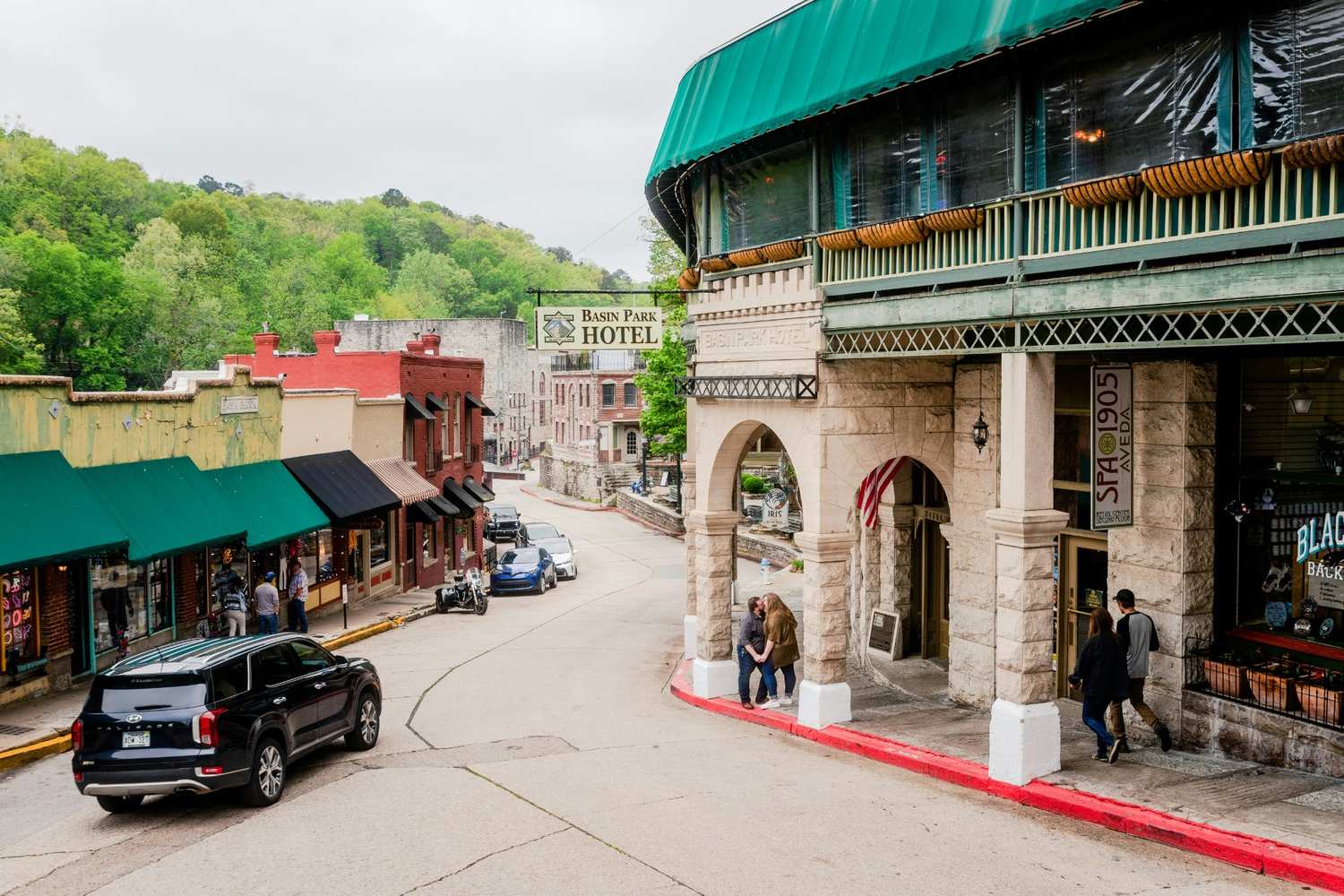
Surrounded by the Ozark Mountains, Eureka Springs often surprises first-time visitors. Despite being located in a conservative state, the town has built a national reputation for LGBTQ+ inclusion.
City ordinances protect against discrimination, and local businesses openly support equality. Housing prices remain relatively affordable, making it appealing for buyers seeking affordable gay-friendly cities to retire to. Pride celebrations and community organizations help reinforce a strong sense of belonging.
Palm Springs, California
While technically a small city, Palm Springs functions much like a tight-knit town. It has one of the highest concentrations of same sex couples in the country, according to US Census data.
The area attracts retirees, remote workers, and couples drawn to warm weather and mid-century architecture. While prices are higher than in rural towns, Palm Springs still qualifies as one of the more affordable gay cities to move to within California when compared to coastal areas. With LGBTQ+ representation in the local government, it becomes even more appealing to the gay community.
Ogunquit, Maine
Coastal beauty and community spirit define this New England town. Ogunquit has welcomed LGBTQ+ residents and visitors for generations, creating an atmosphere of quiet acceptance.
The real estate market includes cottages, condos, and seasonal homes, with opportunities for year-round living. Local arts organizations and Pride events contribute to Ogunquit’s reputation as one of the most peaceful and LGBTQ-friendly places to live if you’re seeking a slower pace.

Bisbee, Arizona
Once a mining town, Bisbee reinvented itself as an arts-focused, progressive community in southern Arizona. Colorful homes climb the hillsides, and creativity is central to daily life.
Bisbee openly has LGBTQ+ leadership and a visible queer community. Housing remains relatively affordable compared to other parts of the Southwest. For buyers seeking affordable LGBTQ friendly towns with character and history, Bisbee stands out.
Saugatuck, Michigan
Located along Lake Michigan, Saugatuck is known for its welcoming atmosphere and scenic beauty. The town has a long history as a retreat for LGBTQ+ travelers and artists.
Beyond tourism, year-round residents benefit from community organizations and inclusive local policies. Housing options range from cottages to modern builds, often at prices lower than those in larger Midwestern cities. Saugatuck consistently ranks among the best small towns for LGBTQ people seeking nature and connection.
Guerneville, California
Set along the Russian River, Guerneville has been a queer refuge since the mid-twentieth century. Its culture emphasizes environmentalism, creativity, and mutual support.
Although California prices apply, Guerneville remains more accessible than nearby urban areas. Local events and long-established LGBTQ+ networks make it one of the most recognizable gay-friendly small towns in America.
Yellow Springs, Ohio
This progressive village near Dayton is known for activism, arts, and independent thinking. Antioch College has shaped Yellow Springs’ inclusive culture for decades.
Local protections, Pride celebrations, and community involvement make it a standout in the Midwest. Housing prices are moderate, and the town attracts buyers looking for affordable LGBTQ-friendly towns with strong values and a sense of purpose.

What Makes These Towns Stand Out
While each town is unique, they share common qualities that make them appealing to LGBTQ+ homebuyers. Inclusivity is woven into daily life, from local policies and community events to the way neighbors show up for one another. Many offer a strong sense of visibility and belonging that goes beyond surface-level acceptance. Combined with affordable housing options and a slower, more intentional pace of life, these towns provide a foundation for long-term comfort and connection.
Inclusivity and Pride Presence
These towns back up their reputations with action. Non-discrimination ordinances, visible Pride support, and LGBTQ+ representation in local leadership are common themes. Many also have active advocacy groups and affirming religious congregations. This level of inclusion helps distinguish truly LGBTQ-friendly places to live from towns that are simply tolerant.
Housing Affordability and Real Estate Trends
One of the biggest advantages of LGBT-friendly small towns is the opportunity to find meaningful value in the housing market. While affordability varies by region, many gay friendly small towns offer lower prices per square foot, reduced competition, and more flexible buying conditions compared to nearby cities. And with smaller markets, you as the buyer will get more space and character for your money.
For first-time buyers, retirees, and couples planning long-term roots, this makes homeownership far more attainable. Several of these locations are also recognized as affordable gay-friendly cities to retire to, thanks to lower property taxes, manageable living costs, and strong community support. As a result, these towns continue to rank highly among the best small towns for LGBTQ people seeking both financial stability and belonging.
Arts, Culture, and Local Businesses
Many LGBTQ friendly places to live share a strong connection to the arts and local culture. Independent galleries, community theaters, bookstores, and locally owned cafes often serve as social hubs where residents naturally connect and feel seen. These spaces help foster openness and creativity while supporting local economies.
Rather than relying on nightlife or tourism alone, inclusive American small towns build vibrancy through everyday cultural life. This focus strengthens community identity and makes these towns especially appealing to LGBTQ+ homebuyers who value authenticity, connection, and a slower pace of living.
Tips for Finding Your Own LGBTQ+-Friendly Small Town
Finding the right LGBTQ+-friendly small town takes more than scanning a list or visiting once. Start by looking for places with visible LGBTQ+ presence year round, not just during Pride season. This can include LGBTQ+-owned businesses, inclusive signage, affirming faith groups, and local organizations that regularly host community events.
Next, dig into local policy and representation. Towns that publicly support non-discrimination protections or have openly LGBTQ+ leaders often provide a stronger sense of long-term safety and belonging. It’s also worth spending time in different neighborhoods, talking to locals, and joining online community groups to understand how welcoming a place feels in everyday life. These steps can help you identify LGBTQ+-friendly places to live that offer genuine inclusion, not just surface level acceptance.

What to Research Before You Move
Start by reviewing local and state-level protections to confirm whether a town has non-discrimination ordinances that include sexual orientation and gender identity. These policies are often a strong indicator of whether a community is truly welcoming. Election results, city council initiatives, and public statements from local leaders can also provide insight into local attitudes.
Beyond policy, explore community life. Local newspapers, social media groups, and event calendars reveal how visible and supported LGBTQ+ residents are in daily life. These details help identify which LGBTQ friendly places to live offer more than surface-level acceptance.
Questions to Ask a Local Real Estate Agent
A local real estate agent can provide insight that goes far beyond listings and pricing. Ask about LGBTQ+ community groups, affirming schools, health care access, and how inclusive neighborhoods feel in practice. Questions about future development and zoning can also reveal how a town may change over time.
Working with an agent who understands LGBTQ+ homebuyers and the nuances of gay friendly small towns ensures your priorities are respected. This guidance is especially valuable when evaluating affordable gay cities to move to or retire to.
FAQs
Choosing the right place to live often raises important questions, especially when inclusivity, safety, and long-term comfort are top priorities. Below are some of the most common questions LGBTQ+ buyers ask when exploring LGBT-friendly small towns, along with practical answers to help guide your decision.
Are Small Towns More LGBTQ+-Friendly?
Many are, particularly those with visible support, inclusive policies, and active LGBTQ+ organizations. The level of friendliness varies by location, which is why research and local insight are essential when identifying truly LGBTQ-friendly places to live.
Are These Towns Affordable Compared to Cities?
In most cases, yes. While prices differ by region, many gay friendly small towns offer better housing value and lower overall living costs than major metropolitan areas. This affordability is a key reason they are often listed among affordable LGBTQ-friendly towns.
Do I Need to be Retired to Enjoy Small-Town Life?
Not at all! Remote workers, couples, and families are increasingly drawn to these inclusive American small towns because of their flexibility, strong community ties, and improved quality of life. Many of the best small towns for LGBTQ people support a wide range of lifestyles.
How do I Know if a Town is Truly Inclusive?
Look beyond marketing and tourism messaging. Legal protections, Pride events, LGBTQ+-owned businesses, and everyday visibility all signal whether a town genuinely supports its LGBTQ+ residents. These markers help distinguish welcoming communities from those that are only tolerant on the surface.
Connect with a Gay-Friendly Agent
If you’re still undecided on which small town you want to relocate to, connecting with a gay-friendly realtor can make your transition a whole lot smoother. Whether you’re buying your first home, planning for retirement, or searching for affordable gay-friendly cities to retire to, the right local expert can help you move forward with confidence. Connect with one of our LGBTQ+ real estate agents today to start your journey.