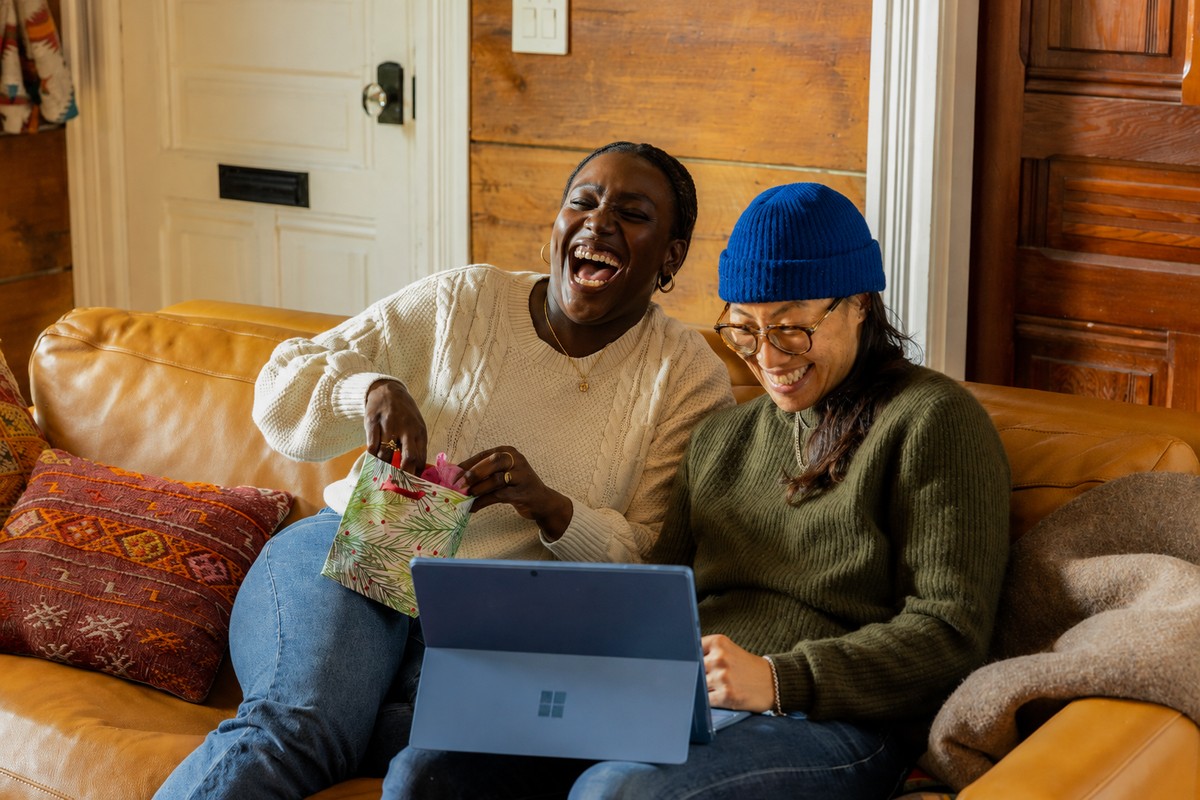
For many LGBTQ+ people, the idea of home extends far beyond four walls and a front door. Home can mean the people who show up for you, celebrate who you are, and stand beside you through life’s biggest moments.
For some, those people are biological relatives. For others, they are friends, partners, mentors, neighbors, or members of the wider LGBTQ+ community. Together, these relationships can form what is known as a chosen family.
LGBTQ+ Chosen family has a long and meaningful history within LGBTQ+ communities, and it can influence how people think about where to live, who they live with, and what makes a house feel like a home. For LGBTQ+ homebuyers, it can also introduce important questions about co-ownership, estate planning, and choosing the right real estate professionals.

What is a Chosen Family?
The definition of a chosen family in the LGBTQ+ community, also known as a “family of choice” or “found family”, is a group of people who intentionally form family-like relationships without necessarily being related by blood or law.
A chosen family for LGBTQ+ people doesn’t necessarily replace a family of origin, either. Someone may have a close relationship with their biological relatives, while also considering several friends part of their chosen queer family.
The concept has particular significance in LGBTQ+ communities because it’s not uncommon for people to have experienced rejection, estrangement, or a lack of understanding from their families of origin.
Why LGBTQ Chosen Family Matters
Family is often thought of as something we are born into. Chosen family challenges that idea by recognizing that meaningful family relationships can also be built intentionally.
For LGBTQ+ people, these relationships can provide companionship, practical support, encouragement, and a sense of belonging. They can also become particularly important during major life events, from coming out and moving to a new city to buying a first home or navigating a difficult period.
In other words, your LGBTQ+ family doesn’t have to be defined solely by biology. It can be defined by the people who consistently show up.

Forming a Chosen Family
Chosen families rarely appear overnight. They usually develop through repeated experiences, shared interests, mutual support, and time. Here’s the process that people usually go through so you can find out how to form your own family:
You May Already Have One!
Your chosen family might already be part of your life; you just haven’t given your relationship that label yet.
Think about the friend who always has a spare key, the person you call when you have exciting news, the couple who hosts Thanksgiving every year, or the friend who helped you relocate to one of the top gayest cities that’s all the way across the state. These relationships can become family-like, even if you’ve never thought about describing them that way before.
There’s no official checklist for becoming a chosen family. It’s about the meaning attached to the relationship and the role people play in one another’s lives.
Visit LGBTQ+ Community Spaces
Community spaces can be a natural way to meet people and develop relationships. LGBTQ+ community centers, pride organizations, sports leagues, book clubs, volunteer groups, cultural events, and social organizations can all create opportunities to build connections.

Share Rituals and Traditions
Family traditions don’t have to be inherited. A chosen family might establish its own annual Friendsgiving, Sunday dinner, USA Pride celebrations, birthday tradition, or vacations. Even the small rituals can create continuity and give people a reason to come together. Over time, these traditions can help transform a group of friends into something that feels much more family-like.
History Behind Queer Chosen Family
The idea of an LGBTQ chosen family isn’t a recent trend. It has deep roots in LGBTQ+ history, especially in periods when queer people faced significant social rejection and limited legal recognition of their relationships.
Ballroom Culture and Drag Houses
Drag balls provide one of the most recognizable examples of chosen families within LGBTQ+ history.
Emerging prominently in New York City during the 20th century, ball culture created spaces where predominantly Black and Latino LGBTQ+ people could gather, compete, perform, and build the ballroom community. Houses became family-like structures, with members often taking on roles such as “mother” and “father”.
These houses were about much more than competitions. They could provide mentorship, friendship, ballroom community, and a network of people who looked out for one another.

Support During the Aids Crisis
Also shaping the importance of the chosen family was the HIV/AIDS epidemic.
During the 1980s and 1990s, many gay men and other LGBTQ+ people faced illness, stigma, housing discrimination, and loss. The CDC’s historical record shows that the epidemic initially had a particularly devastating impact on gay men, with some of the earliest recognized cases occurring among gay men in LA and New York.
When biological relatives were absent, estranged, or unwilling to provide support, friends and community members often stepped in to provide care and companionship. This history helped reinforce the idea that family could be created through commitment and mutual care rather than biology alone.
How Chosen Family Redefines Home for the Queer Community
If the chosen family can redefine who we consider family, it can also change what we expect from our homes.

Home as a Place of Acceptance
For many people, home is the place where they can fully be themselves. The chosen family can make that feeling even stronger.
A home might become the place where friends gather after work, celebrate milestones, share meals, support one another through difficult moments, or simply spend an ordinary Saturday together. For LGBTQ+ homebuyers, this can mean looking beyond the number of bedrooms or size of the backyard and considering whether a property genuinely supports the way they want to live.
Having a Fixed Place to Gather
A permanent home can give a chosen family somewhere to gather consistently. Instead of meeting in different restaurants, bars, parks, or apartments, one home can become the regular meeting point. A dining room might host Sunday dinners, a backyard might become the setting for summer celebrations, and a spare bedroom could accommodate a friend who needs somewhere to stay.
After years of traditions evolving, the property eventually becomes part of your chosen family’s shared history.

Strengthened Community Ties
Homeownership can also help people put down roots in a community you build around yourself.
The goal isn't necessarily to find a “gay neighborhood.” It's to find somewhere that supports the life you want to build. Because when your people are your home, being close to your people can be just as important as the number of bedrooms in a property listing.
Stability Through Homeownership
For some people, homeownership can provide a physical foundation for the life they've created with their chosen family. It can mean having somewhere to return to, somewhere friends know they're welcome, and somewhere traditions can continue year after year.
The point is that a physical home and a feeling of home aren't always the same thing. One is an address. The other is belonging.
The Importance of Legal Planning
When your chosen queer family becomes intertwined with your physical home, however, practical considerations matter. The people you think of as family may not automatically have the same legal rights as a spouse, domestic partner, or biological relative.

Co-Owning a Home with Chosen Family
Some chosen families may eventually decide to purchase property together. Unmarried people can apply jointly for a mortgage, but co-buyers should understand exactly how ownership will work and agree on responsibilities before purchasing.
That might include deciding how much each person contributes, how expenses are divided, what happens if someone wants to move, and what happens to their share of the property if they die.
Protecting Your Home with Estate Planning
If your chosen family is your family in every way that matters, you may want your legal documents to reflect that.
A will, beneficiary designations, powers of attorney, and an appropriate property ownership structure can help ensure that your wishes are understood. Estate planning laws vary by state, so speaking with a qualified attorney is important.
Understanding Tenancy and Ownership Options
Different forms of property ownership can have different consequences for inheritance and decision-making. For example, tenants in common may allow owners to hold different percentages of a property, while joint tenancy can include rights of survivorship. The right option will depend on your circumstances.
Working with LGBTQ+- Affirming Legal and Real Estate Professionals
You shouldn't have to explain or justify what your family means to you. Working with LGBTQ+-affirming professionals can make it easier to discuss your goals, whether you're buying alone, with a partner, or with members of your chosen family.
A gay-friendly realtor can also help you look beyond the property itself and consider whether a neighborhood fits the community and lifestyle you're building.

When It’s Time to Live Together
Sometimes, the chosen family eventually becomes housemates. Living together can be a wonderful extension of an existing relationship, but sharing a home can also introduce practical questions that are worth addressing before anyone signs a lease or mortgage.
Set Expectations
Talk openly about privacy, guests, relationships, pets, noise, shared spaces, and personal boundaries. Being close friends doesn't necessarily mean you have identical expectations about what it means to share a home.
Understand Legal and Financial Arrangements
Be clear about who owns or rents the property and who is responsible for each financial commitment.
Before buying, it’s beneficial to understand the mortgage and ownership arrangements, as well as the Fair Housing Act, so you know if you’ve been discriminated against during the process.
Agree on How Responsibilities are Shared
Who cooks? Who cleans? Who handles the utilities? Who takes out the trash?
These may sound like small questions, but establishing expectations early can prevent resentment later.
Find the Right Home in the Right Place
Finally, think about what your chosen family needs from a physical home. A home that puts you close to your people can feel very different from one that looks perfect on paper but leaves you disconnected from your community.

FAQs on Chosen Family and How it Redefines Home for the LGBTQ+ Community
A chosen family can look different for everyone, but the idea is rooted in a shared understanding: family isn't always about who you're related to. Sometimes, it's about who makes you feel that you belong.
What is ‘Chosen Family’ in the LGBTQ+ Community?
Chosen family describes people who intentionally form close, family-like relationships without necessarily being biologically or legally related. These relationships can include friends, partners, mentors, neighbors, and other members of the LGBTQ+ community.
Why is ‘Chosen Family’ So Important?
The chosen family can provide connection, acceptance, companionship, and practical support. For LGBTQ+ people who have experienced rejection or distance from their families of origin, these relationships can become an especially important source of belonging.

Can ‘Chosen Family’ Members Buy a Home Together?
Yes. People who aren't married or romantically involved can potentially purchase a home together. However, co-buyers should carefully consider mortgage liability, ownership structure, financial contributions, and what happens if one person wants to leave or dies.
When is ‘Chosen Family’ Day?
Chosen Family Day is observed annually on February 22. The day celebrates the people we choose to build our lives and support networks with.
What is Ballroom Culture?
Ballroom culture is an LGBTQ+ cultural movement with deep roots in Black and Latino communities. Its houses have historically provided community, mentorship, friendship, and family-like relationships, making ballroom an important part of the history of queer chosen families.
Find a Home That Feels Like You
Home doesn’t always have an address. Sometimes, home is actually the friend who knows your coffee order. It’s the people who make space for you at the dinner table. It’s the group that celebrates your milestones, stands beside you through difficult times, and reminds you that you don’t have to face life alone.
For LGBTQ+ people, the chosen family has long shown that home can be something we create for ourselves. And when you’re ready to create a physical home too, the people you love can be a part of that decision.
Whether you’re looking for a first home, a place to build life with your partner, or somewhere your chosen family can gather for years to come, an LGBTQ+-friendly realtor can help you find a property that fits the life you’re building, not just the house you’re buying. Connect with one through GayRealEstate.com today and start exploring your options.