
San Francisco didn’t become a global LGBTQ+ icon by accident. For more than a century, the city has been a magnet for people looking for the freedom to build a life on their own terms.
Being nicknamed the gay capital of the US is a reflection of the city’s living, breathing identity. From post-World War II migration through decades of activism, San Francisco gay culture has shaped everything from politics to the housing market.
San Francisco offers a level of visibility that few other places can match, whether you’re a long-time resident or looking to make the move. In 2026, the city remains at the forefront of queer culture, and understanding the landscape of LGBT San Francisco is essential for anyone looking to plant roots here.
When beginning your journey toward homeownership in the Golden City, working with a professional who understands these nuances is essential. Many buyers find that what an LGBTQ-friendly real estate agent really does goes far beyond showing houses. With the help of our LGBTQ realtors, you can find a community that values your history and your future.
What Makes San Francisco Gay-Friendly
Plenty of US cities have LGBTQ+ venues. So what makes the San Francisco gay district so appealing? Is San Francisco a gay city? The answer is a resounding yes, but the reasons why are multifaceted.
- Infrastructure of support: From the San Francisco LGBT Center to specialized healthcare and youth services, the city provides resources designed specifically for the community.
- Political power: The city has a long history of LGBTQ+ political representation, starting most famously with Harvey Milk; this has led to LGBTQ+ protections.
- A gayborhood network: While the Castro is iconic, LGBTQ+ hotspots stretch into SoMa, the Mission, Bernal Heights, and beyond.
An important thing to note (especially if you’re a first-time LGBTQ+ homebuyer) is that housing rights and protections can be complex and can change. Whether it’s avoiding discrimination as you navigate the housing market or finding or consulting the city’s Human Rights Commission, our network of agents is here to support you.
San Francisco Gay Districts
The entire city is generally welcoming, but certain areas have become defined as a gay district in San Francisco. Each district has its own atmosphere, housing stock, and social scene.
The Castro District
The Castro is the classic LGBTQ+ destination and remains one of the most recognizable gay areas of San Francisco for visitors and new residents.
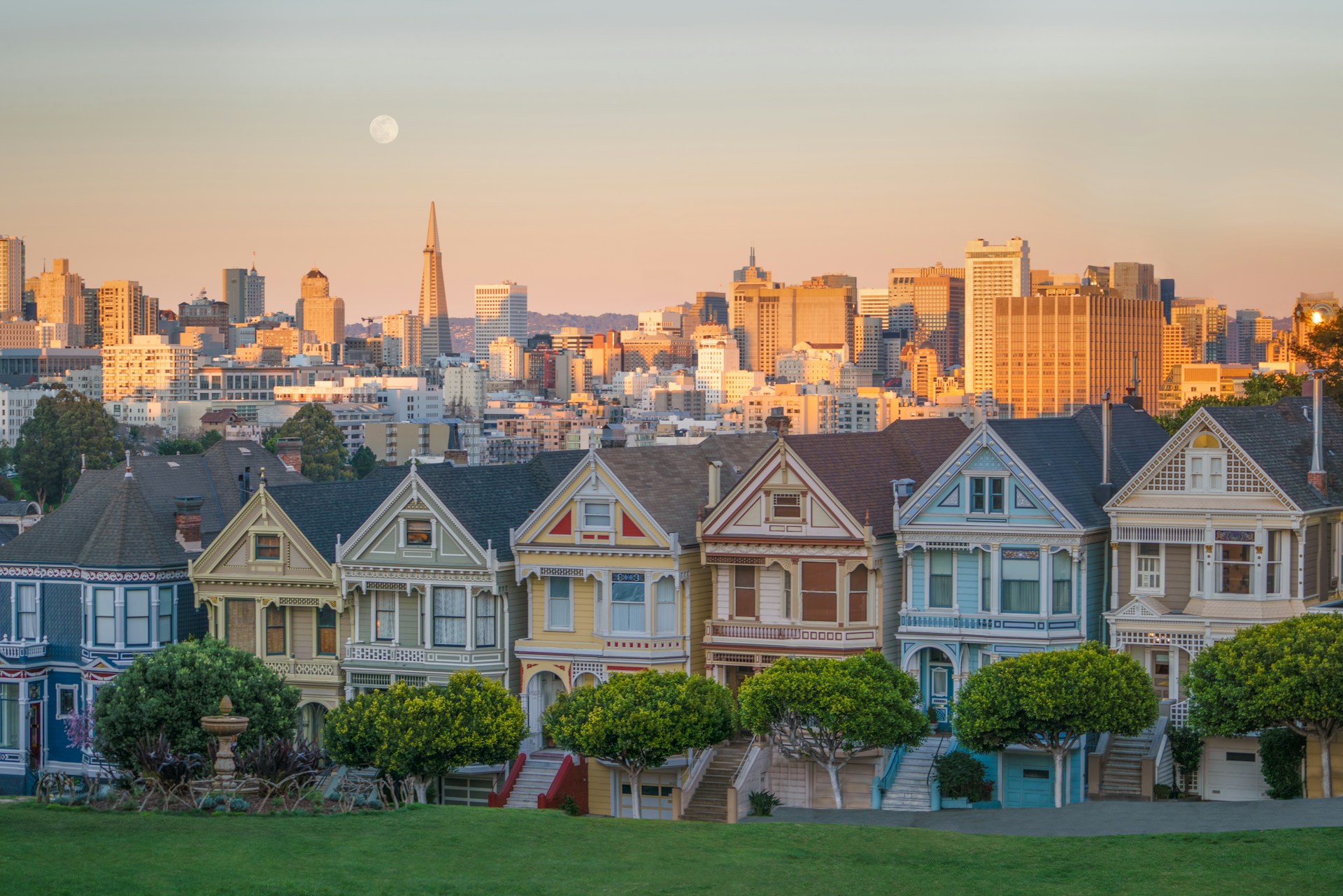
Historically, it’s tied to LGBTQ+ political life (the iconic Castro Theatre to the Rainbow Honor Walk), and the real estate here is characterized by Victorian and Edwardian architecture (though the market is notoriously competitive).
Bernal Heights
Often affectionately referred to as ‘Maternal Heights’ due to its historically high population of lesbian couples and queer families, Bernal Heights offers a quieter, village-like feel. It’s a hilltop community with incredible views.
If you’re looking for attainable entry points into the market, you might want to explore the cheapest gay-friendly places to live in San Francisco, where Bernal often sits as a favorite for those who want one of San Francisco’s gay areas that are more community-focused.
The Haight
Haight-Ashbury isn't just for the hippies! The neighborhood has a deep queer history rooted in the counterculture movements of the 60s and 70s. In 2026, it’s one of the most vibrant gay places in San Francisco.
It has a ‘come as you are’ attitude that appeals to younger San Francisco gays and those who long for a bohemian lifestyle. If you want proximity to parks and an easy path to multiple parts of the city, the Haight is for you.
The Mission
Gay life in San Francisco is second to none, especially in The Mission District, the heart of the city's queer Latinx community.
It should absolutely be part of planning a gay guide to San Francisco (especially for nightlife!) Many LGBTQ+ bars and parties (and plenty of queer-owned spaces) live here or nearby, and it’s often paired with Dolores Park hangouts.
Polk Street
Polk Gulch was actually the city's first San Francisco gayborhood before the Castro took the mantle in the 70s. In 2026, it is seeing a resurgence as a nightlife destination.
South of Market
SoMa is central to San Francisco’s LGBTQ+ history, including the Folsom Street Fair and the Leather & LGBTQ Cultural District.
San Francisco Gay Bars and Clubs
Nightlife is part of what makes San Francisco gays feel connected across generations.
Venues evolve, reopen, renovate, and sometimes change ownership, so treat the following section as a ‘start here’ shortlist, then check each venue’s latest schedule before you go.
Twin Peaks Tavern, San Francisco
Twin Peaks Tavern is well-known for its big windows: an architectural choice that became culturally meaningful in the early 1970s. It signalled visibility at a time when many gay bars kept shutters drawn.
440 Castro, San Francisco
If you’re looking for ‘beards and beer,’ 440 Castro is the place. It has a loyal following and is known for its friendly, unpretentious atmosphere.
Beaux, San Francisco
For those who love to dance, Beaux offers a modern setting with some of the city's best drag shows. Located in the heart of the Castro, it represents the high-energy side of San Francisco’s LGBT nightlife.
Badlands, San Francisco
Badlands is one of the most talked-about names in Castro nightlife, both for its long history and for its closure-and-return storyline.
It closed in 2020 and later reopened under new management, so it certainly remains part of the conversation when prospective LGBTQ+ movers are researching San Francisco’s gay clubs.
Powerhouse, San Francisco
Located in SoMa, Powerhouse is famous for its edgy, leather-friendly atmosphere. It’s a place where the city's ‘alternative’ queer scene thrives, hosting regular themed nights that celebrate the city's history.
Oasis, San Francisco
Oasis is a massive, 8,000-square-foot theater and nightclub in SoMa, often recommended to anyone who wants queer performance as much as a dance floor.
The club has been temporarily closed, but due to an emergency donation, this should only last a few months, so it’s worth checking the current status before planning a visit.
Gay Hotels in San Francisco
If you’re searching for gay hotels in San Francisco, you’ll find a mix of queer-marketed stays and mainstream hotels that are well-located for LGBTQ+ sightseeing. Here are some of the best options for you to choose from:
Phoenix Hotel
The Phoenix is a legendary ‘rock 'n' roll’ hotel in the Tenderloin/Civic Center area. With its mid-century motor court style and heated pool, it has long been a favorite for queer travelers and touring artists.
Hotel Zetta
Located near Union Square, Hotel Zetta is a sophisticated, tech-forward hotel that frequently partners with local LGBTQ+ organizations.
It’s an excellent choice for those who want a modernized stay with easy access to all the San Francisco gay district locations.
Hilton San Francisco Union Square
As one of the largest hotels in the city, the Hilton is a major supporter of San Fran’s Pride and frequently serves as the host hotel for large LGBTQ+ conferences.
The Parker Guest House
Parker Guest House is a popular ‘best of both worlds’ stay for visitors who want easy access to the Castro and the Mission without being directly in the busiest nightlife corridor.
San Francisco Gay Events
The calendar for LGBT San Francisco is packed with world-renowned events that draw millions to the city every year.
Folsom Street Fair
Held annually on the last Sunday of September, the Folsom Street Fair is the world's largest leather event. It takes over several blocks of SoMa and is a celebration of alternative sexualities.
San Francisco Pride
The 2026 SF Gay Pride Parade and Celebration usually take place on the last weekend of June and has a new theme each year!
As one of the largest Pride celebrations in the world, the event culminates in a massive parade down Market Street that draws nearly a million people.
Castro Street Fair
Founded in 1974, the Castro Street Fair began as a way to celebrate the neighborhood’s vitality. It’s typically held on the first Sunday in October and remains one of Castro’s signature traditions.
San Francisco Community and Culture
Nightlife is only one slice of LGBTQ+ life here. If you’re considering moving (or buying), the more useful question is often: where do I find community on an ordinary Tuesday?
Beyond the bars, the strength of the San Francisco gay population lies in its institutions and its history of activism.
San Francisco’s Gay Activism
San Francisco’s LGBTQ+ activism is interwoven with neighborhood identity, small business life, and local politics, especially in and around the Castro. Learning even a little of this history can make the city feel less like a tourist map.
LGBT Museum, San Francisco
The GLBT Historical Society Museum, located in the Castro, is the first standalone LGBT museum in San Francisco dedicated to gay, lesbian, bisexual, and transgender history and culture in the US. It’s an essential stop for anyone who wants to understand the roots of the community they’re joining.
San Francisco LGBT Center
The San Francisco LGBT Center on Market Street is one of the city’s most important community anchors. It connects people to resources, opportunities, and programming at its Market Street location.
For seniors, the San Francisco LGBT Senior Center, Openhouse, offers dedicated housing and social services.
San Francisco’s Gay Population
People often ask about the San Francisco gay population because they’re trying to picture what life will feel like day-to-day. While estimates vary, the state consistently ranks as having the highest gay population in San Francisco per capita.
Current data suggests that approximately 6.2% to 15% of the city's adult population identifies as LGBTQ+, depending on the survey and metropolitan area boundaries.
FAQs
As you explore questions about San Francisco LGBT living and homeownership, it’s helpful to be aware of federal protections like the Fair Housing Act. This section answers common questions buyers ask before making a move.
Why is San Francisco so gay?
San Francisco’s history as a port town during WWII led to many ‘undesirable’ service members being discharged here, which formed the seeds of a community.
Over time, its reputation for tolerance drew more queer people seeking community and expression.
What percentage of San Francisco is gay?
It depends on the dataset and how the question is asked (city-only vs metro area, LGBTQ+ vs specific identities, etc.).
One city-sponsored survey has estimated that roughly 16% of San Franciscans identify as LGBTQ, but other studies and time periods may produce different figures.
Making San Francisco Your Home
Many visitors fall in love with San Francisco during Pride weekend. But buying here is more about your budget, preferred housing style, and the kind of community you want close by.
When you’re drawn to the history of the Castro or the lofts of SoMa, the city offers a place for everyone in the rainbow. As you prepare for this transition, we encourage you to consult the LGBTQ guide to buying your first home for practical advice on navigating the market.
For those who want more local flavor, our locals' guide to LGBTQ life in San Francisco provides even deeper insights into the daily experience of living in this incredible city.
At Gay Real Estate, we specialize in connecting you with agents who don't just know the market; they know the community. When you’re ready to make your move, contact one of our San Francisco gay real estate agents and take the next step toward finding a home that fits your life.