

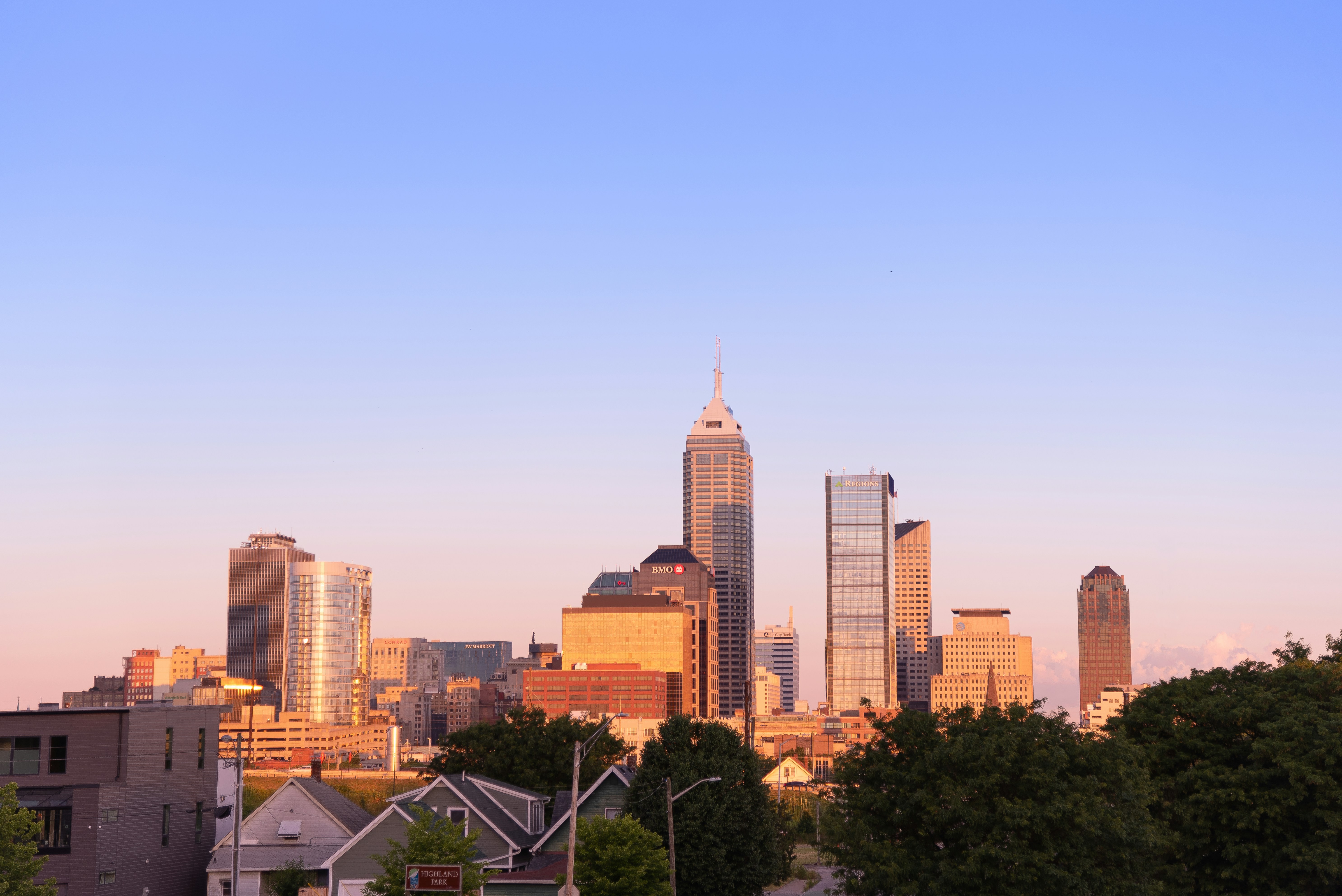
Whether you’re an LGBTQ+ person or couple thinking about moving to Indiana for work, a change of scenery, or even to start a family, understanding the legal and cultural landscape matters just as much as finding the right home.
Ultimately, Indiana sits at an interesting crossroads. There’s been real progress in visibility, local protections, and community support, yet statewide legal gaps remain that can create uncertainty for LGBTQ+ homebuyers.
This guide breaks down the current reality of LGBT rights that Indiana residents experience today. Looking at what protections exist, where challenges remain, and what this means in practical terms, we’ll help you decide if moving to Indiana as an LGBTQ+ person is the right choice for you. Whether you’re buying your first home as an LGBTQ+ person or relocating within the state, informed decisions start with clear information. Let’s dive in…
The Current State of LGBTQ+ Rights in Indiana
Indiana does not fit neatly into a single narrative of progress or resistance. Instead, it reflects a mix of federal protections, local ordinances, and advocacy-driven change. Understanding this layered system is key for anyone evaluating Indiana's LGBTQ protections.
Overview of State Laws and Legal Framework
At the state level, Indiana does not have comprehensive nondiscrimination laws that explicitly protect sexual orientation and gender identity across employment, housing, and public accommodations. This absence shapes much of the conversation around LGBT rights that Indiana advocates continue to push for. Key points to know are:
- Indiana law does not include sexual orientation or gender identity as protected classes statewide.
- There is no statewide law explicitly banning discrimination against LGBTQ+ people in housing or employment.
- Religious freedom statutes have raised concerns among LGBTQ+ advocates, especially around how exemptions may be applied.
That said, the lack of statewide protections does not mean LGBTQ+ Hoosiers are without legal support. Federal law and local ordinances play an essential role in filling those gaps.
Federal Protections That Apply
Federal protections are often the most important legal backstop for LGBTQ+ residents in Indiana. These protections apply regardless of state-level laws and significantly affect Indiana's LGBTQ housing laws. Under federal law:
- The Fair Housing Act prohibits discrimination based on sex.
- Following the Supreme Court’s interpretation and guidance from HUD, discrimination based on sexual orientation and gender identity is treated as a form of sex discrimination.
- This means housing providers cannot legally deny housing, apply different terms, or harass someone because they are LGBTQ+.
For LGBTQ homebuyers in Indiana, this federal framework is critical. Even without explicit state laws, Fair Housing in Indiana and LGBTQ protections apply to most purchase situations. Understanding these rights empowers buyers and renters to challenge unfair treatment and seek enforcement when necessary.
What’s Changed in Recent Years
Despite gaps at the state level, the lived experience for many LGBTQ+ people in Indiana has improved in noticeable ways. Progress has often come from cities, universities, employers, and activists organizing rather than the state legislature.
Advancements in Local Non-Discrimination Ordinances
One of the most significant developments related to LGBT rights that Indiana communities experience is the growth of local non-discrimination ordinances.
Many Indiana cities have passed local laws that prohibit discrimination based on sexual orientation and gender identity in areas like housing, employment, and public accommodations. These ordinances provide stronger protections within city limits. Examples include:
- Indianapolis and Marion County
- Bloomington
- Fort Wayne
- South Bend
- West Lafayette
If you’re moving to one of Indiana’s LGBTQ homes, you’ll find that the state often prioritizses these cities because local protections can provide greater confidence when renting or buying a home. While these ordinances do not replace statewide laws, they do create more inclusive environments at the local level.
Increased Visibility and Pride Events
Visibility has grown dramatically across Indiana over the past decade. Pride celebrations are no longer limited to one or two major cities. Today, you can find Pride events in:
- Indianapolis
- Bloomington
- Fort Wayne
- South Bend
- Smaller cities and college towns throughout the state
Pride events help foster local networks, advocacy, and public awareness that continue to influence policy discussions around Indiana’s LGBTQ protections.
This increased visibility contributes to cultural change, even when legal structures lag behind. It also signals where the inclusive communities in Indiana are, helping residents feel more supported and connected.
Growing Support from Employers and Universities
Another area of progress tied to LGBT rights that Indiana residents experience is in workplaces and educational settings. Many large employers in Indiana now:
- Offer inclusive health benefits
- Maintain non-discrimination policies that include sexual orientation and gender identity
- Support employee resource groups for LGBTQ+ staff
Universities across the state (particularly in Bloomington, West Lafayette, and Indianapolis) have also implemented inclusive policies, support centers, and housing accommodations for LGBTQ+ students.
For homebuyers, this matters. Cities with major employers and universities often have more visible LGBTQ+ communities, stronger local protections, and greater access to inclusive services.
What Hasn’t Changed (Yet)
While progress is real, it’s equally important to be honest about ongoing challenges. Many of the most significant gaps affecting LGBT rights in Indiana that advocates highlight remain unresolved at the state level.
Gaps in Statewide Legal Protections
Indiana still lacks comprehensive statewide non-discrimination laws that explicitly protect LGBTQ+ people. This creates inconsistencies depending on where someone lives. Key gaps include:
- No statewide housing non-discrimination law covering sexual orientation or gender identity
- No statewide employment protections specific to LGBTQ+ workers
- Limited clarity around protections in public accommodations
As a result, an LGBTQ+ person may have strong protections in one city but far fewer protections just outside city limits. This patchwork system is a central concern for those moving to Indiana as an LGBTQ person, couple, or family.
Challenges in Housing, Healthcare, and Public Services
Housing remains one of the most sensitive areas impacted by legal gaps. While federal Fair Housing protections apply, enforcement can be challenging, and discrimination does not always look obvious. Common concerns include:
- Subtle bias during rental or purchase negotiations
- Lack of familiarity among housing providers with Fair Housing Indiana's LGBTQ requirements
- Uneven access to inclusive healthcare providers in more rural areas
Healthcare access, especially for transgender residents, continues to be a concern statewide. While some cities have inclusive providers, availability varies widely.
Public services also reflect this uneven landscape, reinforcing the importance of understanding local conditions when choosing where to live.
The Role of Local Advocacy and Community Support
Local advocacy organizations play a crucial role in advancing Indiana's LGBTQ protections. Groups supported by national organizations like the American Civil Liberties Union, Human Rights Campaign, and Equality Federation continue to push for legislative change, provide legal assistance, and educate residents about their rights. For LGBTQ homebuyer in Indiana, these organizations offer more than policy advocacy. They provide:
- Housing discrimination reporting resources
- Legal referrals
- Community connections
Progress in Indiana has often started locally, and continued change will likely follow that same path.
Inclusive Cities and Communities in Indiana
While Indiana’s legal framework is mixed, many cities stand out for their inclusive culture, local protections, and active LGBTQ+ communities. These areas are often top choices for those moving to Indiana’s LGBTQ areas.
Indianapolis
Indianapolis is often considered the heart of LGBTQ+ life in Indiana. The city has:
- A local non-discrimination ordinance
- A visible LGBTQ+ community
- Annual Indie Pride celebrations
- LGBTQ+-friendly neighborhoods like Broad Ripple and Fountain Square
As the state capital, Indianapolis also hosts many advocacy organizations and inclusive employers. As a buyer here, there are diverse housing options.
Bloomington
Bloomington stands out because of Indiana University and its long history of LGBTQ+ activism. The city offers:
- Strong local non-discrimination protections
- A vibrant arts and culture scene
- Inclusive campus and community resources
Bloomington is often appealing to first-time buyers and those seeking a smaller city with progressive values and community engagement tied closely to LGBT rights and Indiana advocacy.
Fort Wayne
Fort Wayne has made notable strides in recent years. The city passed a local non-discrimination ordinance and has seen growth in LGBTQ+ events and organizations.
Housing in Fort Wayne can be more affordable compared to larger cities, making it attractive for LGBTQ homebuyers in Indiana looking for value without sacrificing community connection.
Lafayette and West Lafayette
Home to Purdue University, Lafayette and West Lafayette benefit from the presence of a large academic institution. West Lafayette has local non-discrimination protections, and the area supports:
- Inclusive campus initiatives
- Growing LGBTQ+ social spaces
- A welcoming atmosphere for students and professionals alike
These cities often appeal to buyers connected to education, tech, or research sectors.
South Bend
South Bend has an active LGBTQ+ community and local protections in place. The presence of the University of Notre Dame contributes to economic stability and cultural diversity.
The city has invested in projects that offer opportunities for buyers interested in emerging neighborhoods within an inclusive community framework.
Housing and Real Estate Considerations for LGBTQ+ Buyers
Navigating housing as an LGBTQ+ buyer in Indiana requires awareness, preparation, and the right professional support. Understanding how laws and local conditions intersect can make the process smoother and more empowering.
Fair Housing and Federal Protections
Federal Fair Housing protections are foundational for Indiana's LGBTQ housing laws. These protections mean that:
- Sellers, landlords, and lenders cannot discriminate based on sexual orientation or gender identity
- Advertising cannot exclude or discourage LGBTQ+ buyers
- Unequal treatment in pricing, terms, or availability is prohibited
If discrimination occurs, buyers and renters can file complaints with HUD or work with advocacy organizations familiar with the enforcement of the Fair Housing Act in Indiana for LGBTQ people.
Choosing LGBTQ-Friendly Neighborhoods
Location matters more in Indiana than in states with statewide protections. Choosing neighborhoods within cities that have local ordinances and visible LGBTQ+ communities can provide added reassurance. When researching neighborhoods, consider:
- Whether the city has a non-discrimination ordinance
- Presence of LGBTQ+ organizations or events
- Recommendations from local LGBTQ+ residents
Working With a Gay-Friendly Agent
One of the most effective ways to navigate Indiana’s housing landscape is to work with an experienced, inclusive professional. LGBTQ+-friendly realtors in Indiana understand:
- How Fair Housing protections apply in real-world transactions
- Which neighborhoods are known for being LGBTQ+-friendly
- How to advocate for clients if concerns arise
If you’re buying your first home as an LGBTQ+ person, having an agent who understands both the legal landscape and community dynamics can make a meaningful difference. That’s where we come in. Whatever state you’re living in or moving to, we can connect you with a gay or allied real estate agent to help you have the best experience possible.
Resources and Advocacy Organizations
Staying informed about LGBT rights Indiana residents experience means knowing where to turn for accurate, up-to-date information. These organizations are widely recognized:
- ACLU of Indiana offers legal resources, policy updates, and advocacy efforts related to civil rights.
- Human Rights Campaign (HRC) provides state equality profiles, corporate equality data, and educational tools.
- Equality Federation supports local LGBTQ+ organizations and tracks legislative developments across states.
- Indiana Equality focuses on statewide advocacy, education, and community engagement.
These groups help bridge the gap between federal protections and local realities.
FAQs
Got some burning questions you need answering? Below, we’ve answered some of your most frequently asked questions to help you understand LGBTQ+ rights and protections in Indiana.
Does Indiana have statewide LGBTQ+ housing protections?
No, Indiana does not have statewide laws explicitly protecting LGBTQ+ people from housing discrimination. However, federal Fair Housing protections apply throughout the state.
Can local laws offer more protection than state law?
Yes, many Indiana cities have local non-discrimination ordinances that include sexual orientation and gender identity, offering stronger local protections.
Is it legal to deny housing to an LGBTQ+ person in Indiana?
Yes. Under federal law, housing discrimination based on sexual orientation or gender identity is prohibited. This applies even in areas without local ordinances.
Where are the most inclusive communities Indiana offers?
Cities like Indianapolis, Bloomington, Fort Wayne, South Bend, and West Lafayette are often cited for their inclusive culture and local protections.
Connect with a Gay-Friendly Indiana Agent
Indiana’s LGBTQ+ rights landscape reflects both progress and unfinished work. While statewide protections remain limited, federal law, local ordinances, and strong community advocacy provide meaningful support for LGBTQ+ residents and homebuyers.
If you’re considering buying a home, understanding the LGBT rights Indiana residents rely on is a powerful first step. The right location and the right professional support can make all the difference.
Looking to buy or rent in an inclusive Indiana community? Connect with a gay-friendly real estate agent who understands your rights and needs and can help you navigate Indiana’s evolving housing landscape with confidence.